Is Spinning Good For Weight Loss?
Contents
- What is Spinning?
- Benefits Of Indoor Cycling
- How It Helps With Weight Loss
- Calorie Burning Potential
- Other Health Benefits
- Appropriate Exercise Intensity
- Safety Considerations
- Frequently Asked Questions
- How Much Time Do I Need To Dedicate To Spinning To See Results?
- What Type Of Diet Should I Follow While Spinning?
- How Can I Make Spinning More Fun?
- What Type Of Shoes Should I Wear For Spinning?
- How Often Should I Spin To Lose Weight?
- Conclusion
- Sources
Are you looking for a way to lose weight that is easy on your joints? Spinning, or indoor cycling, is a popular workout that can help you burn a meaningful number of calories. So, is spinning good for weight loss?
Yes, it can be, especially when it is part of a routine that also includes diet changes. Spinning provides a solid cardiovascular workout, raising your heart rate and burning calories. It is also low impact, which can make it easier on the joints than running.
Many people also enjoy the group energy of a class. Whether you ride at home with streaming classes or join in person, the social side can help you stay motivated as you work toward your weight loss goals.
What is Spinning?
Spinning, also known as indoor cycling, is an exercise that involves riding a stationary bicycle. It can help with weight loss because it burns calories and can be done at high intensity. But what exactly does spinning entail? Let's take a look.
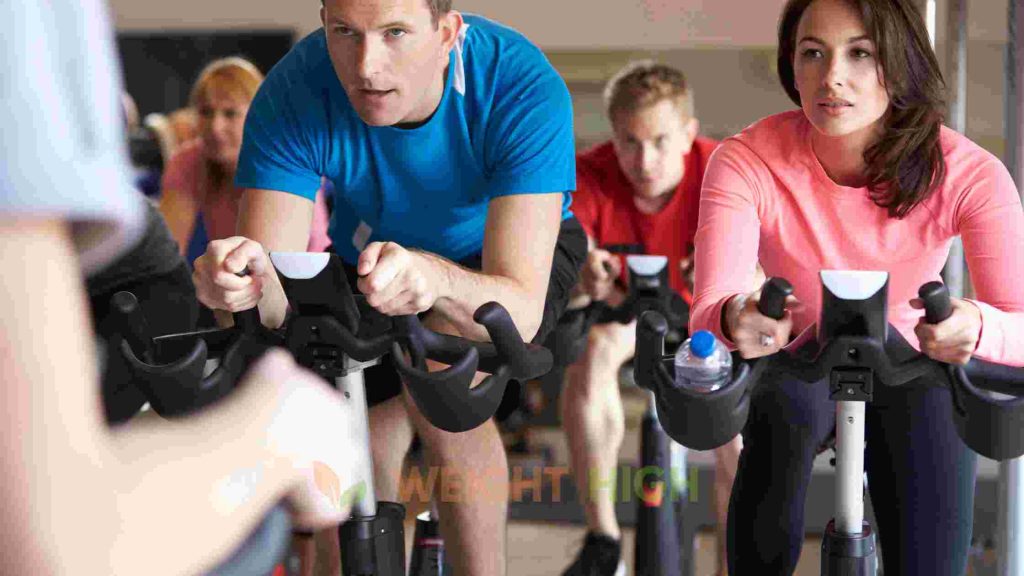
"Spinning" refers to riding a stationary bike built for intense aerobic workouts. During each session, riders pedal while standing up or seated, and they adjust a resistance knob to make pedaling harder or easier. The workout mainly targets the legs and cardiovascular system, with some core involvement.
"Indoor cycling" classes typically take place in a gym or studio, where instructors lead riders through cardio sessions set to music. By controlling speed and resistance, riders can tailor the intensity to their fitness level.
In short, spinning and indoor cycling are effective forms of cardio for people looking to lose weight. Here is how they can benefit your health goals.
Benefits Of Indoor Cycling
Indoor cycling is popular with people looking to lose weight, improve their cardiovascular health, and strengthen their legs. According to Harvard Health estimates, 30 minutes of vigorous stationary cycling burns about 315 calories for a 125-pound person and about 441 calories for a 185-pound person. Here are a few more benefits of indoor cycling:
- Leg Strength – Indoor cycling strengthens and builds endurance in the leg muscles, including the quads, hamstrings, glutes, and calves, especially when you ride with higher resistance.
- Cardiovascular Health – Regular aerobic activity strengthens the heart and lungs. Over time it can help lower blood pressure and reduce the risk of heart disease and stroke.
- Calorie Burning – Vigorous indoor cycling is one of the more efficient calorie-burning cardio options, and it puts relatively little impact on the joints.
Indoor cycling also lets you train regardless of the weather. So how exactly does it help with weight loss?
How It Helps With Weight Loss
Spinning helps you lose weight mainly by burning calories. Increasing resistance and pedaling speed raises your effort and your calorie burn.
Spinning cannot "target" fat in specific problem areas, though. Spot reduction is a myth; your body decides where it loses fat. What spinning does is build leg strength and endurance while helping create the calorie deficit needed for overall fat loss.
Spinning is not a full strength-training workout, so add muscle-strengthening exercises at least twice a week. Regular exercise can also help reduce stress. Combined with proper nutrition and enough sleep, spinning can be an effective tool for lasting weight loss results.
Calorie Burning Potential
Spinning is an effective way to burn calories, and it can be tailored to almost any fitness level. How many calories you burn depends mostly on your body weight and how hard you ride.
Here is a simple way to think about intensity:
| Workout Type | Intensity | Calorie Burn |
|---|---|---|
| High-intensity intervals (HIIT) on the bike | Hard bursts with easy recovery | Higher per minute |
| Steady-state ride | Moderate, continuous effort | Moderate |
| Easy recovery ride | Light effort | Lower |
For Harvard Health's 30-minute estimates, moderate stationary cycling burns about 210 calories for a 125-pound person and about 294 for a 185-pound person. Vigorous cycling raises that to about 315 and 441 calories.
If you are new to exercise, start with steady, moderate rides. As your fitness improves, you can add intervals. Whatever your level, there is a spin workout that fits, and it can be part of a routine for optimal health and wellness.
Other Health Benefits
Spinning is not only useful for weight loss. Regular cardio like indoor cycling supports heart health and can improve mood and sleep.
Because cycling is low impact, it is often a good option for people who find running hard on their joints. Talk with your doctor or physical therapist first if you have an injury or chronic pain.
Regular riding also builds endurance, so everyday activities like climbing stairs can feel easier. The next step is choosing the right intensity for your sessions.
Appropriate Exercise Intensity
Exercising at the right intensity helps you get results while staying safe. Here are a few general guidelines:
- High-intensity intervals are usually short, often 30 seconds to a few minutes, with easier recovery in between.
- Moderate, steady rides can last 20 to 60 minutes.
- Your intensity should match your current fitness level, goals, and experience.
A simple check is the talk test. During moderate effort you can talk but not sing; during vigorous effort you can only say a few words before pausing for breath. You do not need to push to exhaustion to get results.
Everyone's needs are different, so build up gradually. With that in mind, here are some safety considerations.
Safety Considerations
Spinning is not a miracle, but it is a useful tool when done safely. Bike setup, proper form, and sensible effort all matter.
First, make sure your bike is adjusted properly. A poorly fitted seat or handlebars can cause discomfort and strain on your knees, hips, or back. Ask an instructor to help you set up the bike before your first class.
Pay attention to how your body feels during class. Excessive exertion can cause fatigue and poor form, which increases injury risk. Drink water before, during, and after your ride, since dehydration can cause cramping and lightheadedness.
If you have heart disease, high blood pressure, diabetes, or other health conditions, talk with your doctor before starting a high-intensity program.
Frequently Asked Questions
How Much Time Do I Need To Dedicate To Spinning To See Results?
The CDC recommends that adults get about 150 minutes of moderate activity or 75 minutes of vigorous activity each week, plus muscle-strengthening work on at least 2 days. Spinning can count toward the aerobic part. Here are some tips:
- Start with 20 to 30 minutes per session, 3 times per week, and build up over time.
- Be consistent. Sticking with a schedule matters more than any single hard workout.
- Monitor your progress. Track your rides, your weight or measurements, and how you feel.
Spinning can improve cardiovascular fitness, leg strength, and stress levels, and support weight loss when paired with diet changes. Adding strength training helps you keep muscle while you lose fat.
What Type Of Diet Should I Follow While Spinning?
For the best weight loss results, a well-thought-out nutrition plan matters as much as your workout routine. With proper spinning diet plans and nutrition tips, you can get the most out of your spin class.
Spinning requires energy, so fuel yourself before a hard session. Complex carbohydrates like whole grain breads and pastas provide steady energy, while fruits and vegetables supply vitamins and minerals. Drink water before, during, and after exercise to prevent dehydration.
Protein helps your body build and maintain muscle. Lean proteins such as chicken breast or fish are good options, and healthy fats from nuts, seeds, and avocados can fit into a plan for weight loss when eaten in moderation. Limit sugary snacks and drinks, which add calories quickly.
Keep in mind that a hard class can increase your appetite. Weight loss still depends on eating fewer calories than you burn.
How Can I Make Spinning More Fun?
Are you looking for ways to make spinning more fun? Spinning is a great activity that helps people get fit and stay healthy, but it can sometimes feel monotonous. To help make your workouts enjoyable, there are several strategies you can use to spice up your spin session.
One way to add some excitement is by listening to the right music while cycling. Create a playlist of upbeat songs for your spin workout. Many people find that music makes hard efforts feel a bit easier.
If you want something different than just riding solo at home or in an indoor cycling studio, consider taking virtual spin classes or engaging in group ride challenges with friends. You could also change up the scenery by doing outdoor rides when the weather permits.
For those who like the thrill of competition, compete against yourself by gradually increasing resistance or adding interval training to your sessions. Small changes can go a long way toward making spinning more fun and rewarding.
What Type Of Shoes Should I Wear For Spinning?
Picking the right shoes can make your rides more comfortable. Your main options are regular athletic shoes or cycling shoes.
Many studio bikes have pedals with toe cages that work with regular sneakers. Choose a pair with a fairly firm sole, since very soft running shoes can flex over the pedal. Cycling shoes have stiff soles and cleats that clip into compatible pedals, which helps transfer power, but they only work if the bike's pedals match.
Whatever you choose, make sure the shoes fit well and feel stable. Breathable uppers can help on sweaty rides.
How Often Should I Spin To Lose Weight?
How often you should spin depends on your goals, fitness level, and the rest of your routine. Here are some key factors:
- Frequency: Many people do well with 3 to 5 sessions per week, working up to the CDC's 150 minutes of moderate or 75 minutes of vigorous activity. More activity may be needed for larger amounts of weight loss.
- Intensity: Harder rides burn more calories per minute, but not every ride needs to be hard. Mix intense sessions with easier ones to allow recovery.
Consistency is key. You won't see big changes after one ride; real progress takes weeks to months. Diet also plays an important role, and a balanced diet combined with regular exercise like spinning works better than either approach alone.
If you are just starting out, begin slowly and build up. Alternate harder sessions with easier rides or rest days, and add strength training twice a week.
Conclusion
Spinning can be an effective way to lose weight. Aim for regular sessions, work up toward the recommended weekly activity amount, and pair your rides with healthy eating habits. Wear suitable shoes and have fun, which will help you stay consistent.
The key is dedication. Realistic goals and consistency are essential when trying to reach any fitness objective. A healthy diet and regular physical activity should always go hand in hand. Commit to a routine you can sustain, and you'll get closer to achieving your health goals.
Spinning improves cardiovascular fitness and leg strength, and its low-impact nature makes it suitable for many people looking to shed extra pounds without putting too much strain on their joints. So why not give it a try?
Sources
- Calories burned in 30 minutes for people of three different weights, Harvard Health Publishing
- Adult Activity: An Overview, CDC
- Steps for Losing Weight, CDC