Is Body Armor Good For Weight Loss

Contents
- Body Armor For Weight Loss
- What Is Body Armor
- Benefits Of Wearing Body Armor
- Exercise And Weight Loss Strategies
- Nutrition For Weight Loss
- Benefits Of Body Armor For Weight Loss
- Risks Associated With The Use Of Body Armor For Weight Loss
- Alternatives To Body Armor For Weight Loss
- Frequently Asked Questions
- How Effective Is Body Armor Good For Weight Loss?
- How Long Does It Take To See Results From Wearing Body Armor?
- Are There Any Side Effects Associated With Wearing Body Armor For Weight Loss?
- Are There Any Age Restrictions For Wearing Body Armor For Weight Loss?
- Is Body Armor Covered By Health Insurance For Weight Loss Purposes?
- Conclusion
- Sources
Photo by Spatms, CC BY-SA 4.0, via Wikimedia Commons
Body Armor For Weight Loss
Short answer: no. Wearing protective body armor is not a weight-loss method, and there is no evidence it helps people lose more weight than ordinary exercise and diet changes.
Some people searching this question mean the BODYARMOR sports drink rather than a vest. We cover both below, so you can see what actually supports weight loss goals.
Extra load does make movement harder, the same way a weighted vest or a heavy backpack does. But the main thing armor adds during a workout is heat and strain, not fat loss. Sweating more mostly means losing water, which comes back when you drink.
What Is Body Armor
Body armor is protective clothing designed to reduce injury from bullets, blades, or blunt force. It can be made from materials such as Kevlar and other aramid fibers, polyethylene fibers, and ceramic or steel plates.
Soft vests are worn by police and security staff, while plate carriers with hard inserts are used in military and high-threat settings. Armor is rated for the threats it can stop, not for fitness use.
Armor is built for protection, not comfort or ventilation. It traps heat against the torso and limits how freely you can bend and breathe deeply.
Benefits Of Wearing Body Armor
The real benefit of body armor is protection for people whose jobs expose them to weapons or violence. It is not designed as workout gear, and it offers no special advantage for losing weight.
Some officers and soldiers train in their armor so they are used to moving in it on duty. That is job-specific conditioning, not a weight-loss strategy for the general public.
If you want added resistance for training, a weighted vest made for exercise is lighter, adjustable, and easier to fit. It still works only as part of a broader plan that includes diet and regular activity.
Exercise And Weight Loss Strategies
Body armor is not a good weight loss solution. The best way to lose weight and keep it off is through regular activity and smart dietary choices. To get started on your own weight loss journey, here are four strategies that can help you reach your goals:
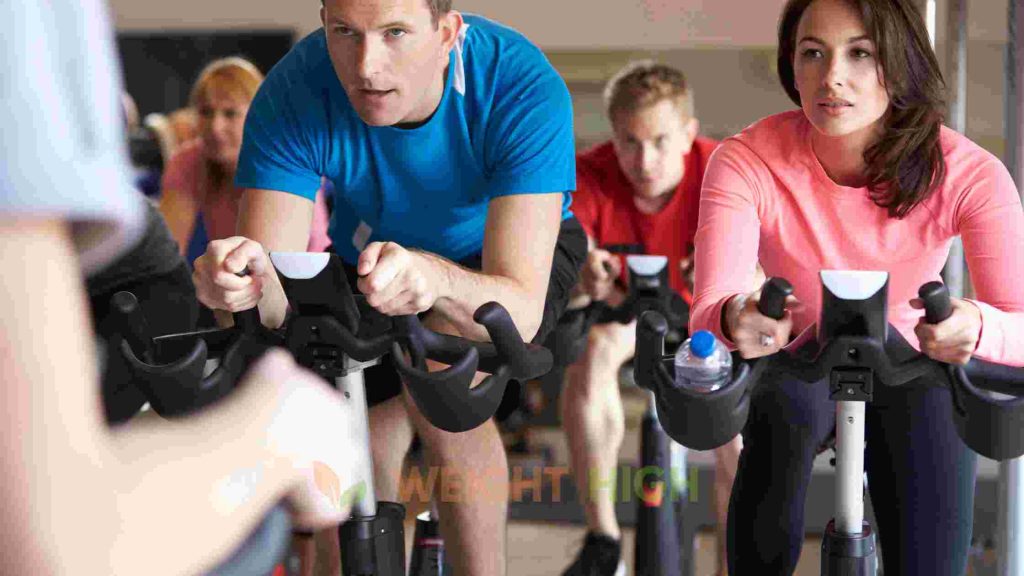
- Develop an Exercise Routine: The CDC recommends that adults get about 150 minutes of moderate activity a week, such as brisk walking, plus at least 2 days of muscle-strengthening work. Aerobic exercise burns calories, and strength training helps you keep muscle while you lose fat.
- Create a Weight Loss Plan: Make sure your plan includes both exercise and diet modifications so that you have a balanced approach to losing weight safely. Consider tracking progress in some form (e.g., photos, body measurements) so that you can monitor changes over time.
- Follow Diet Tips: Eating nutritious foods low in saturated fats and high in fiber while controlling portion sizes can go a long way towards satisfying hunger without consuming excess calories. Incorporating regular meal planning into your routine will make sticking to healthier eating habits easier to maintain over time.
- Get Support From Others: Working with professionals such as registered dietitians or personal trainers, joining support groups, or attending workshops can give you extra motivation when healthy habits become hard to sustain alone.
These everyday strategies will do far more for your weight than any piece of protective gear. Nutrition is the other half of the picture.
Nutrition For Weight Loss
Nutrition for weight loss is an essential part of any fitness plan. Eating healthy foods and controlling portions can help you reach your goals. To get started, try making small changes to your diet, like swapping sugary snacks for healthier options or cutting down on portion sizes.
When creating a nutrition plan for weight loss, consider eating more fruits and vegetables, limiting processed foods, reducing portion sizes, drinking water, and limiting added sugar and salt. Getting enough sleep matters too, since poor sleep can make hunger harder to manage.
Set realistic goals and focus on progress rather than perfection. The CDC notes that losing about 1 to 2 pounds a week is a safer pace, and people who lose weight gradually are more likely to keep it off.
Benefits Of Body Armor For Weight Loss
If you meant the BODYARMOR sports drink, it is not a weight-loss drink either. Regular sports drinks contain added sugar and calories.
According to the CDC's Rethink Your Drink guidance, a typical 12-ounce sports drink has about 5 teaspoons of sugar and 97 calories. Sugary drinks, including sports drinks, are the leading source of added sugars in the American diet.
Sports drinks can make sense during long, hard, sweaty sessions. For most everyday workouts and for weight loss, water is the better choice. If you like the flavor, check the label and look for a lower-sugar version.
As for the protective gear, wearing it does not target specific muscles or make a workout low impact. It simply adds weight and heat, so any extra calories you burn come with extra risk.
Risks Associated With The Use Of Body Armor For Weight Loss
The biggest risk is overheating. The CDC lists protective equipment and clothing, along with physical exertion, among the factors that raise a worker's risk of heat-related illness.
Armor also restricts movement and adds load to your back, hips, and knees. Running or jumping in it can raise the chance of strains, joint pain, and falls, especially if you are not used to the weight.
Some people also find armor makes deep breathing harder during hard effort. Chafing and skin irritation from sweat-soaked fabric are common with long wear.
If your job requires armor and you want to train in it, build up slowly, drink plenty of water, and stop if you feel dizzy, nauseated, or overheated. Talk with your doctor first if you have heart, lung, or joint problems.
Alternatives To Body Armor For Weight Loss
There are better options. Bodyweight exercises, weight training, and aerobic exercise can all help with weight loss when paired with a calorie deficit from eating less than you burn.
Weightlifting helps build and keep muscle. Interval training alternates short bursts of hard effort with easier recovery periods. Yoga or stretching can improve flexibility and help you manage stress.
If you want extra resistance, a weighted vest designed for exercise is a safer choice than armor. Start light and add weight gradually.
Frequently Asked Questions
How Effective Is Body Armor Good For Weight Loss?
It is not effective as a weight-loss tool. Wearing armor makes movement harder and hotter, but there is no evidence it leads to more fat loss than regular exercise and diet changes.
Any extra calories burned from carrying the weight are modest, and the heat and strain make it hard to train consistently. Consistency, not discomfort, is what drives results.
How Long Does It Take To See Results From Wearing Body Armor?
Wearing body armor does not produce weight-loss results on its own. Any quick drop on the scale after a sweaty session is mostly water, which returns once you rehydrate.
Real results come from a steady routine. The CDC notes that a gradual loss of about 1 to 2 pounds a week is safer and easier to maintain.
- Track meals and snacks each day, with an app or a journal if it helps
- Get regular aerobic and strength exercise
- Drink water instead of sugary drinks
- Be patient; lasting change takes weeks and months, not days
Are There Any Side Effects Associated With Wearing Body Armor For Weight Loss?
Yes. Exercising in body armor carries real risks:
- Heat stress and heat-related illness, because armor traps heat against the body.
- Dehydration, fatigue, and muscle or joint strain from the extra load.
- Skin irritation or chafing from prolonged contact with sweat-soaked fabric.
- Restricted breathing and movement during hard effort.
Long-term success still requires a healthy diet and a regular physical activity program. Protective gear is not a shortcut.
Weight loss can be hard enough without adding risks. Choose exercise gear made for training, and talk with your doctor before starting a new routine if you have a health condition.
Are There Any Age Restrictions For Wearing Body Armor For Weight Loss?
There is no medical age rule for "body armor workouts," because they are not a recognized weight-loss method. Laws on buying or owning body armor vary by state and country, so check local rules.
Children and teens should not exercise in armor. Older adults and anyone with heart, lung, or joint conditions are more vulnerable to heat and strain, so they should talk with a doctor before any new, demanding routine.
Is Body Armor Covered By Health Insurance For Weight Loss Purposes?
No. Health insurance does not cover body armor for weight loss, because it is not a medical treatment.
If you want help with weight loss, ask your doctor what your plan covers. Some plans cover nutrition counseling or medically supervised weight-management programs.
Conclusion
Body armor is protective equipment, not a weight-loss tool. Exercising in it mostly adds heat, strain, and injury risk, and the BODYARMOR sports drink adds sugar and calories.
The approach that works is less exciting but proven: regular aerobic and strength exercise, a balanced diet with fewer sugary drinks, enough sleep, and patience. Talk with your doctor if you have health conditions before starting a new routine.
Sources
- Adult Activity: An Overview, CDC
- Rethink Your Drink, CDC
- Heat Stress and Workers, CDC/NIOSH
- Steps for Losing Weight, CDC