Achieve Your Health Goals With The WOE Diet

Contents
The WOE Diet takes its name from "way of eating," a phrase people use for a long-term eating pattern rather than a short-term diet.
It is not a branded plan with official rules. As described here, it focuses on whole, minimally processed foods and on habits you can keep for years.
Table of Contents
What is the WOE Diet?
The WOE Diet is an eating pattern built on whole, minimally processed foods. It limits refined grains, added sugars and heavily processed snacks.
It also encourages mindful eating: noticing hunger and fullness cues and eating when you are hungry.
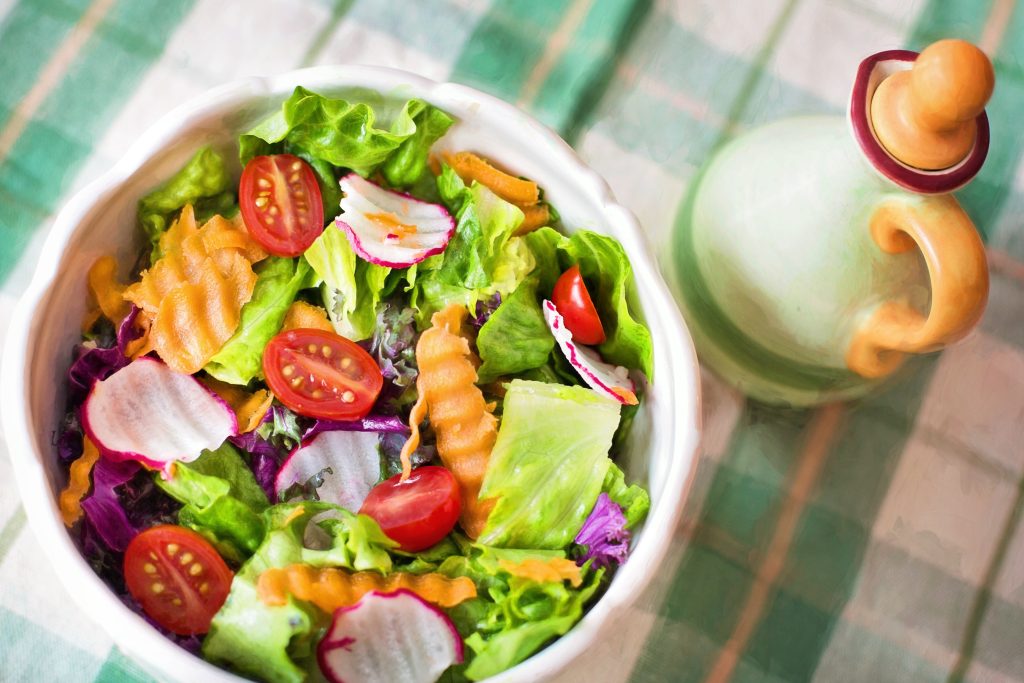
Photo by Jill Wellington from Pexels
Benefits of the WOE Diet
A whole-food eating pattern can support weight loss when it helps you eat fewer calories. The extra fiber can also help digestion and keep you full.
Diets rich in vegetables, fruits, whole grains, beans and healthy fats are linked with a lower risk of heart disease and type 2 diabetes. No diet guarantees protection from disease.
Foods to Avoid on the WOE Diet
The WOE Diet recommends limiting refined grains, such as white bread and white rice, and processed snacks.
It also limits sugary drinks, fast food and processed meats such as bacon and sausage, which Harvard's Healthy Eating Plate advises avoiding.
Foods to Eat on the WOE Diet
The WOE Diet emphasizes the consumption of whole, natural foods, such as fruits, vegetables, whole grains, nuts, seeds, and legumes.
It also includes healthy fats, such as olive oil, avocados, nuts and seeds, and lean proteins, such as fish, poultry, beans and tofu.
Sample Meal Plan
A sample day on the WOE Diet may include oatmeal with berries for breakfast, a salad with quinoa and chicken for lunch, and roasted vegetables and fish for dinner. Snacks may include nuts, seeds, and fruit.
Exercise and the WOE Diet
Exercise is an important partner to the WOE Diet. Regular physical activity improves overall health and supports weight loss.
The CDC recommends that adults get at least 150 minutes of moderate activity a week, plus muscle-strengthening activity on 2 days.
Potential Side Effects
A whole-food eating pattern is safe for most people. Talk to a healthcare professional before big diet changes if you have a medical condition or take medication.
It is important to listen to your body and adjust your plan as needed.
Tips for Success

Photo by SHVETS production from Pexels
When starting the WOE Diet, it is important to be prepared. Plan meals and snacks ahead of time and keep healthy options available, much like Norah O’Donnell’s meals paired with her exercise routine.
Drink water instead of sugary drinks, and stay active.
Conclusion
The WOE Diet is a "way of eating" built on whole, minimally processed foods. It can support weight loss, better digestion and long-term health when it helps you eat fewer calories and more fiber.
When following the WOE Diet, it is important to be prepared and to stay active.
FAQs
What is the WOE Diet?
WOE stands for "way of eating." It is a general term for a long-term eating pattern rather than a branded diet.
As described here, it focuses on whole, minimally processed foods and limits refined grains, added sugars and heavily processed snacks.
What are some benefits of the WOE Diet?
A whole-food eating pattern can support weight loss when it helps you eat fewer calories, and it supplies more fiber and nutrients.
Diets rich in vegetables, fruits, whole grains, beans and healthy fats are linked with a lower risk of heart disease and type 2 diabetes. No diet guarantees protection from disease.
What foods should I avoid on the WOE Diet?
Limit refined grains such as white bread and white rice, processed snacks, sugary drinks, fast food and processed meats such as bacon and sausage.
Choose healthy plant oils over foods high in saturated fat.
What tips can I follow for success on the WOE Diet?
Plan meals and snacks ahead of time and keep healthy options on hand.
Drink water instead of sugary drinks, and stay active.
Sources
- Healthy Eating Plate, Harvard T.H. Chan School of Public Health
- Adult Activity: An Overview, Centers for Disease Control and Prevention