
Are Mushrooms Good for Weight Loss?
Contents
- Table of Contents
- The Nutritional Benefits of Mushrooms
- Low in Calories and Fat
- High in Fiber
- Rich in Vitamins and Minerals
- Antioxidant Properties
- Mushrooms and Weight Loss: What the Science Says
- Low Calorie and High Fiber Content
- Regulating Blood Sugar Levels
- Supporting Gut Health
- How Mushrooms Can Help You Lose Weight
- Low Calorie and High Fiber Content
- Regulating Blood Sugar Levels
- Nutrient Density
- Versatility
- The Role of Mushrooms in a Healthy Diet
- Providing Key Nutrients
- Supporting Immune Function
- Promoting Gut Health
- Versatility
- The Best Types of Mushrooms for Weight Loss
- Portobello Mushrooms
- Shiitake Mushrooms
- White Button Mushrooms
- Maitake Mushrooms
- How to Incorporate Mushrooms into Your Diet
- 1. Add Mushrooms to Your Salads
- 2. Use Mushrooms as a Meat Substitute
- 3. Make a Mushroom Omelet
- 4. Use Mushrooms as a Pizza Topping
- 5. Roast Mushrooms as a Side Dish
- 6. Add Mushrooms to Your Soups and Stews
- Potential Risks and Side Effects of Eating Mushrooms
- 1. Toxicity
- 2. Allergic Reactions
- 3. Interactions with Medications
- 4. Digestive Issues
- 5. Environmental Toxins
- How to Choose and Store Mushrooms
- 1. Choosing Mushrooms
- 2. Storing Mushrooms
- 3. Cleaning Mushrooms
- 4. Cooking Mushrooms
- Conclusion
- FAQs
- Are all types of mushrooms good for weight loss?
- Can mushrooms alone lead to weight loss?
- Can mushrooms be harmful to my health?
- How should I prepare mushrooms for maximum nutritional value?
- How many mushrooms should I eat per day?
- Sources
Mushrooms have been a popular food choice for centuries and are often praised for their nutritional value. However, the question remains: are mushrooms good for weight loss? The short answer is yes, as a low-calorie food that can replace higher-calorie ingredients. They don't burn fat on their own.
In this article, we’ll explore the scientific research on mushrooms and weight loss, examine the nutritional benefits of mushrooms, and provide practical tips on how to incorporate mushrooms into your diet in order to support weight loss goals. Whether you’re looking to lose weight or simply want to add more nutrient-rich foods to your diet, mushrooms may be an excellent addition to your meal plan.
Table of Contents
- The Nutritional Benefits of Mushrooms
- Mushrooms and Weight Loss: What the Science Says
- How Mushrooms Can Help You Lose Weight
- The Role of Mushrooms in a Healthy Diet
- The Best Types of Mushrooms for Weight Loss
- How to Incorporate Mushrooms into Your Diet
- Potential Risks and Side Effects of Eating Mushrooms
- How to Choose and Store Mushrooms
- Conclusion
- FAQs
The Nutritional Benefits of Mushrooms
Mushrooms are often praised for their unique flavor and texture, but they are also packed with essential nutrients that can benefit your overall health. Here are some of the key nutritional benefits of mushrooms:
Low in Calories and Fat
One of the biggest nutritional benefits of mushrooms is that they are low in calories and fat. According to USDA FoodData Central, a cup of sliced raw white mushrooms has about 15 calories.
They are also virtually fat-free, which makes them an easy way to add volume to meals for few calories.
High in Fiber
Mushrooms contain some dietary fiber, which supports digestive health and fullness. The amount is modest, though: a cup of sliced white mushrooms has under 1 gram of fiber.
Their high water content does more to fill you up per calorie than their fiber.
Rich in Vitamins and Minerals
Mushrooms also supply B vitamins such as riboflavin and niacin, plus minerals like potassium, copper and selenium.
Vitamin D depends on light. Harvard's Nutrition Source notes that mushrooms grown in the dark have very little, while UV-treated or sun-exposed mushrooms can supply much more. Check the label for "UV-treated."
Antioxidant Properties
Mushrooms contain antioxidant compounds, including ergothioneine and polyphenols, along with the mineral selenium. Research on their role in preventing chronic disease is still early, so they are best seen as part of an overall healthy diet.
Overall, mushrooms are a nutrient-dense food that can provide a variety of health benefits. Whether you’re looking to support your weight loss goals or simply want to add more healthy foods to your diet, mushrooms are an excellent choice.
Mushrooms and Weight Loss: What the Science Says

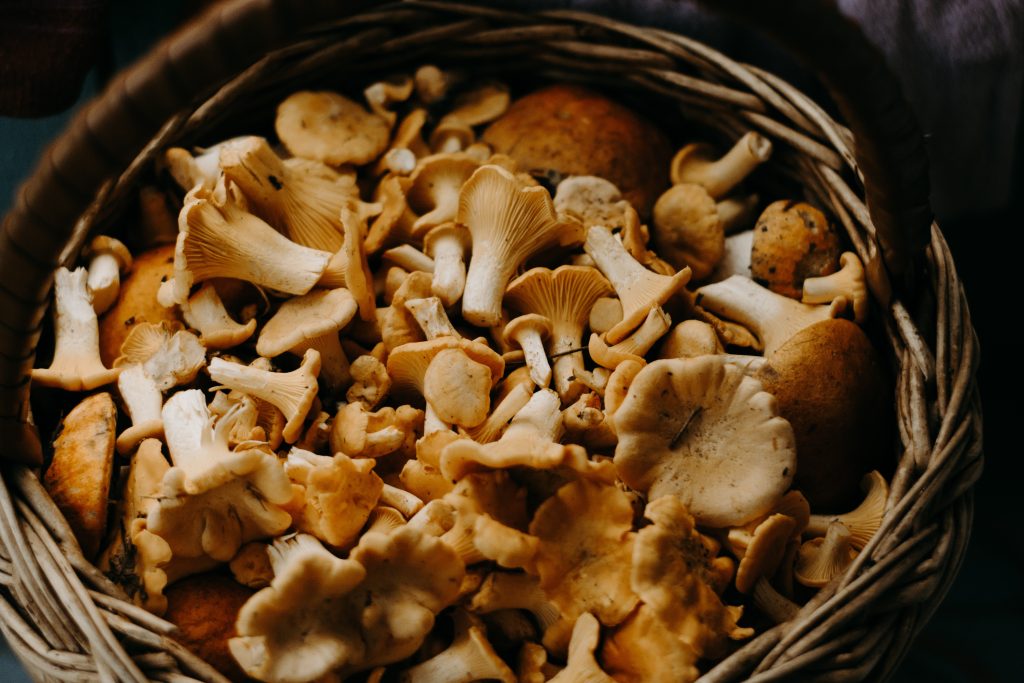
Photo by SHVETS production from Pexels
The idea that mushrooms can aid in weight loss is popular, but what does the science say? Here is what is known about mushrooms and weight loss:
Low Calorie and High Fiber Content
As mentioned earlier, mushrooms are very low in calories and high in water. Filling up on low-calorie, high-volume foods can help reduce overall calorie intake, which can lead to weight loss over time.
Regulating Blood Sugar Levels
Mushrooms are very low in carbohydrates, so they have little effect on blood sugar. They contain fibers such as beta-glucans that are being studied for blood sugar effects, but human evidence that eating mushrooms improves blood sugar control is limited.
Supporting Gut Health
The gut microbiome, which is made up of trillions of bacteria and other microorganisms living in the digestive tract, plays an important role in overall health and metabolism. Early studies suggest that fibers in mushrooms may feed beneficial gut bacteria, but this research is still preliminary.
Overall, while there is no one food or ingredient that can guarantee weight loss, incorporating mushrooms into a healthy diet can be a beneficial strategy for those looking to lose weight or maintain a healthy weight. By providing nutrients and volume for very few calories, mushrooms can be a valuable addition to a well-rounded meal plan.
However, it’s important to note that simply adding mushrooms to your diet without making other healthy lifestyle changes, such as increasing physical activity and reducing calorie intake, is unlikely to lead to significant weight loss on its own.
How Mushrooms Can Help You Lose Weight
If you’re looking to lose weight, incorporating mushrooms into your diet may be a helpful strategy. Here are some ways in which mushrooms can support weight loss:
Low Calorie and High Fiber Content
As we mentioned earlier, mushrooms are very low in calories, making them a great addition to a weight-loss meal plan. Swapping them in for some meat, cheese or refined carbs lets you eat a satisfying portion for fewer calories.
Regulating Blood Sugar Levels
Because mushrooms are so low in carbohydrates, they won't spike your blood sugar. Using them in place of refined carbs can make meals more blood-sugar friendly, though mushrooms themselves are not a treatment for insulin resistance.
Nutrient Density
In addition to their low calorie and high fiber content, mushrooms are also a nutrient-dense food. They contain B vitamins, potassium, copper and selenium, and UV-treated mushrooms add vitamin D. When you’re trying to lose weight, it’s important to consume foods that provide important nutrients to support your body’s needs.
Versatility
Mushrooms are incredibly versatile and can be used in a variety of dishes, making them easy food to incorporate into your meal plan. You can add sliced mushrooms to salads, soups, and stir-fries, or use them as a meat substitute in dishes like mushroom burgers or mushroom stroganoff.
Overall, mushrooms can be a valuable tool for weight loss due to their very low calorie content, nutrient density and versatility. By incorporating mushrooms into your diet, you can support your weight loss goals while also providing essential nutrients to support overall health and well-being.
The Role of Mushrooms in a Healthy Diet
Incorporating mushrooms into a healthy diet can provide a wide range of benefits for overall health and well-being. Here are some key ways that mushrooms can contribute to a healthy diet:
Providing Key Nutrients
Mushrooms are a good source of many important nutrients that are essential for overall health and well-being. They contain B vitamins, such as riboflavin and niacin, which are important for energy production and maintaining healthy skin and eyes. Mushrooms are fungi, not plants, and UV-exposed mushrooms are the only natural non-animal food source of meaningful vitamin D.
Supporting Immune Function
Mushrooms contain compounds such as beta-glucans that affect immune cells in laboratory studies. Whether eating mushrooms protects people against infections or disease has not been proven.
Promoting Gut Health
As we mentioned earlier, fibers in mushrooms may feed beneficial gut bacteria. This research is early, but it fits the wider evidence that fiber-rich, plant-forward diets support gut health.
Versatility
Mushrooms are incredibly versatile and can be used in a wide range of dishes, making them easy food to incorporate into a healthy diet. They can be sautéed, grilled, roasted, or used as a meat substitute in dishes like mushroom burgers or mushroom meatballs.
Overall, incorporating mushrooms into a healthy diet can provide a wide range of benefits for overall health and well-being. By providing key nutrients for few calories and offering versatility in the kitchen, mushrooms can be a valuable addition to any healthy meal plan.
The Best Types of Mushrooms for Weight Loss
All common culinary mushrooms can offer benefits for weight loss because they are low in calories. No variety burns fat. Here are some popular types to include in your diet for weight loss:
Portobello Mushrooms
Portobello mushrooms are a popular type of mushroom that is often used as a meat substitute in vegetarian and vegan dishes. Their size and meaty texture make them a satisfying, low-calorie swap for a burger patty. They also supply B vitamins and potassium.
Shiitake Mushrooms
Shiitake mushrooms are a type of mushroom that is commonly used in Asian cuisine. They have a rich, savory flavor that lets you use less salt or fat. Shiitake contain a compound called lentinan that is studied for immune effects, mostly in concentrated extracts rather than food.
White Button Mushrooms
White button mushrooms are one of the most commonly consumed types of mushrooms in the world. They are very low in calories and inexpensive, making them a great addition to a weight-loss meal plan. They also contain ergothioneine, an antioxidant compound under study for its health effects.
Maitake Mushrooms
Maitake mushrooms, also known as hen of the woods mushrooms, are a type of mushroom that is commonly used in Japanese cuisine. They are low in calories and contain beta-glucans. Effects on blood sugar and immunity have mainly been studied in extracts, not in normal food portions.
Overall, incorporating a variety of mushrooms into your diet can provide a wide range of benefits for weight loss and overall health. By including mushrooms like portobello, shiitake, white button and maitake in your meals, you can support your weight loss goals with flavor and nutrients for few calories.
How to Incorporate Mushrooms into Your Diet
Incorporating mushrooms into your diet is easy and can be done in a variety of ways. Here are some practical tips to help you get started:
1. Add Mushrooms to Your Salads
One of the easiest ways to incorporate mushrooms into your diet is by adding them to your salads. Simply slice your favorite type of mushroom and toss it into your salad for added flavor and nutrition.
2. Use Mushrooms as a Meat Substitute
Mushrooms can be a great substitute for meat in many recipes, especially for those who are following a vegetarian or vegan diet. Try using portobello mushrooms as a meat substitute in burgers or using shiitake mushrooms in stir-fry dishes.
3. Make a Mushroom Omelet
Add sliced mushrooms to your morning omelet for added flavor and nutrition. Not only will it help keep you full, but it will also provide important nutrients and antioxidants.
4. Use Mushrooms as a Pizza Topping
Instead of using traditional pizza toppings like pepperoni or sausage, try using mushrooms as a pizza topping. Not only will it provide a meaty flavor, but it will also cut calories compared with processed meats. The crust and cheese still carry most of the calories.
5. Roast Mushrooms as a Side Dish
Roasting mushrooms can bring out their natural flavors and make them a tasty side dish. Simply toss your favorite type of mushroom with a little olive oil, salt and pepper, and roast in the oven until tender. Go light on the oil, since mushrooms soak it up.
6. Add Mushrooms to Your Soups and Stews
Mushrooms can add depth and flavor to soups and stews. Try adding shiitake or maitake mushrooms to your favorite soup or stew recipe for added nutrition and flavor.
Incorporating mushrooms into your diet is easy and can be done in a variety of ways. By using these practical tips, you can enjoy the benefits of mushrooms for weight loss and overall health.
Potential Risks and Side Effects of Eating Mushrooms
While mushrooms can provide many health benefits, there are also potential risks and side effects to be aware of.
1. Toxicity
Some wild mushrooms are poisonous and can be deadly, and some look very similar to edible types. Unless you are trained to identify wild mushrooms, buy them from a store or market. If you're unsure about a mushroom, don't eat it.
2. Allergic Reactions
Some people may be allergic to mushrooms, which can cause a range of symptoms including hives, itching, and difficulty breathing. If you experience any of these symptoms after eating mushrooms, seek medical attention immediately.
3. Interactions with Medications
Normal food amounts of common mushrooms are not known to cause medication problems. Concentrated mushroom supplements and extracts are different and may interact with some medicines, including blood thinners and diabetes drugs. Ask your doctor or pharmacist before taking them.
4. Digestive Issues
Eating too many mushrooms can cause digestive issues like bloating, gas, and diarrhea. It’s important to consume mushrooms in moderation, especially if you’re not used to eating them regularly.
5. Environmental Toxins
Mushrooms can absorb heavy metals and other contaminants from where they grow. This is mainly a concern for wild mushrooms picked near roads or industrial sites, so buy from reputable sources.
Overall, mushrooms can be a healthy and delicious addition to your diet. By choosing store-bought or properly identified mushrooms and cooking them well, you can enjoy the benefits of this nutritious food.
How to Choose and Store Mushrooms
Choosing and storing mushrooms properly is essential to maintaining their freshness and nutritional value. Here are some tips to help you choose and store mushrooms.
1. Choosing Mushrooms
When choosing mushrooms, look for ones that are firm, dry, and free of bruises or soft spots. The caps should be tightly closed and the gills should be fresh and dry. Avoid mushrooms that are slimy, have a strong odor, or are discolored.
2. Storing Mushrooms
Mushrooms are delicate and should be handled carefully to avoid bruising or damage. To store mushrooms, place them in a paper bag or a container with a paper towel to absorb any moisture. Do not store them in a plastic bag as this can cause them to become slimy.
Mushrooms should be stored in the refrigerator and used within a few days of purchase. If you won’t be using them right away, you can also freeze mushrooms for later use. To freeze mushrooms, clean them and slice them into the desired size, then place them in a freezer-safe container or bag and freeze them.
3. Cleaning Mushrooms
To clean mushrooms, gently wipe them with a damp cloth or rinse them briefly under running water. Do not soak them as this can cause them to become waterlogged and lose flavor.
4. Cooking Mushrooms
Cooking mushrooms is a great way to enhance their flavor and nutritional value. They can be sautéed, roasted, grilled, or added to soups and stews. Just be sure to cook them thoroughly to ensure that any potential bacteria or toxins are eliminated.
By following these tips, you can choose and store mushrooms properly to ensure that they stay fresh and nutritious. Incorporating mushrooms into your diet can provide many health benefits, and with the right preparation and storage, you can enjoy them to their fullest potential.
Conclusion
In this article, we explored the question of whether mushrooms are good for weight loss. While there is no magic food that can guarantee weight loss, mushrooms are certainly a healthy addition to any diet.
They are very low in calories and supply B vitamins, potassium, selenium and, when UV-treated, vitamin D.
Claims that they regulate blood sugar or boost gut health are still mostly based on early research.
Mushrooms are not a weight loss superfood, but swapping them in for higher-calorie foods is a simple way to cut calories. By incorporating mushrooms into your diet and following a balanced eating plan and regular exercise routine, you can achieve your weight loss goals and improve your overall health and well-being.
In conclusion, mushrooms are a nutritious and delicious food that can provide many health benefits, including potentially aiding in weight loss. With their versatility and availability, it’s easy to incorporate mushrooms into your diet and enjoy their many benefits. So why not add some mushrooms to your next meal and see what they can do for you?
FAQs
Are all types of mushrooms good for weight loss?
Most culinary mushrooms are very low in calories, so any type can help when it replaces higher-calorie foods. No single variety burns fat. Mushrooms are not high in protein or fiber, so pair them with beans, whole grains and lean protein. Eating a variety gives you a range of nutrients.
Can mushrooms alone lead to weight loss?
While mushrooms can be a helpful addition to a weight loss plan, they are not a magic solution. To achieve sustainable weight loss, it’s important to follow a balanced diet that includes a variety of healthy foods and to engage in regular physical activity.
Can mushrooms be harmful to my health?
While mushrooms are generally considered safe for most people to eat, there are some risks to be aware of. Some types of wild mushrooms can be toxic and should not be consumed, and some people may be allergic to certain types of mushrooms. It’s important to properly identify and cook mushrooms to ensure safety.
How should I prepare mushrooms for maximum nutritional value?
Sautéing, grilling or roasting all work well. Use only a little oil, since mushrooms soak it up and the calories add up fast. Cooking also makes mushrooms safer and easier to digest.
How many mushrooms should I eat per day?
There is no set amount. A serving or two a day, such as a cup of sliced mushrooms, is a healthy, low-calorie addition for most people.
Sources
- Mushrooms, white, raw, USDA FoodData Central
- Mushrooms, The Nutrition Source, Harvard T.H. Chan School of Public Health


