
How To Use Black Seed For Weight Loss?
Contents
- Overview Of Black Seed
- Potential Benefits
- Possible Side Effects
- Recommended Dosage
- How To Use Black Seed For Weight Loss
- Diet And Exercise Tips
- Safety Considerations
- Frequently Asked Questions
- How Long Does It Take To See Results From Using Black Seed For Weight Loss?
- Are There Any Drug Interactions With Black Seed?
- Is Black Seed Safe For Children?
- Is Black Seed Suitable For Vegans?
- Can Black Seed Be Taken With Other Supplements?
- Conclusion
- Sources
Have you heard that black seed oil can help you lose weight? Black seed, from the Nigella sativa plant, has a long history in traditional medicine, and researchers have tested it in small clinical trials.
In this article, we’ll look at what that research shows, how people use black seed, and the possible side effects. We’ll also compare it with other approaches such as using an oil for weight loss like MCT oil.
The short answer: black seed may lead to a small amount of extra weight loss, but the evidence is weak, and it is no substitute for diet and exercise.
Overview Of Black Seed
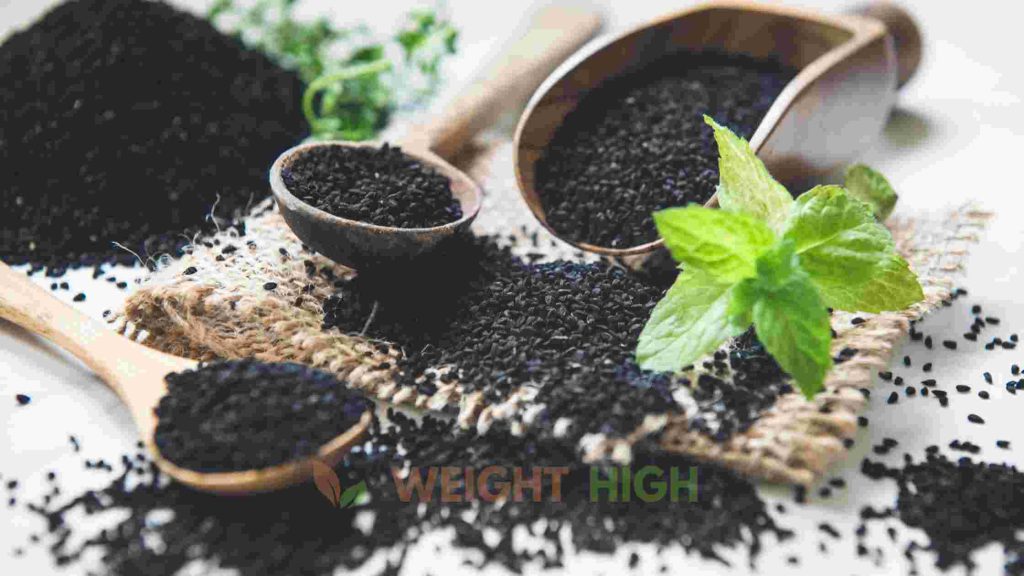
Black seed, also known as Nigella sativa, black cumin or kalonji, comes from a small flowering plant grown in South and Southwest Asia, the Middle East and North Africa. It has been used for centuries in traditional medicine and in cooking.
The seeds contain fats such as linoleic and oleic acid, along with fiber, protein and plant compounds. The most studied compound is thymoquinone. Black seed is sold as whole seeds, ground powder, oil and capsules.
Lab and animal studies suggest thymoquinone may have anti-inflammatory and antioxidant effects. Whether those effects translate into meaningful weight loss in people is less clear.
Potential Benefits
Several meta-analyses have pooled small trials of black seed supplements in adults with overweight or obesity. Most found small average reductions in body weight and BMI compared with placebo.
For example, a meta-analysis of 13 randomized trials found an extra weight loss of about 1.8 kg (roughly 4 pounds) with black seed compared with placebo, with no significant change in waist circumference. That is a modest effect, not a fast route to weight loss.
An overview of systematic reviews in Frontiers in Nutrition found the evidence mixed: some reviews reported lower weight or BMI, while others found no effect on BMI.
The same overview rated most of the evidence as low or very low quality and called for larger, high-quality trials. Treat any benefit as possible but uncertain.
Possible Side Effects
Black seed is common in food, and short-term supplement use appears to be well tolerated by most adults. Still, supplements can have side effects, and they are not risk-free for weight loss.
The overview above found that reported side effects were mainly digestive, such as stomach pain, nausea, vomiting and diarrhea. Black seed oil applied to the skin can also cause allergic rashes in some people.
Some trials suggest black seed may modestly lower blood sugar and blood pressure. If you take medicine for diabetes or high blood pressure, talk with your doctor first.
The next section covers dosage for those considering black seed for weight loss.
Recommended Dosage
There is no established dose of black seed for weight loss. Trials have used different forms, doses and lengths, so no single amount has been proven best.
If you try a supplement, follow the product label and do not take more than directed. Higher amounts raise the chance of stomach upset.
Claims that adding honey "amplifies" black seed or that it works best on an empty stomach are not supported by good evidence. Supplements are also not tested for safety and effectiveness by the FDA before they are sold, so choose products verified by an independent testing group.
Whatever form you choose, lasting results come from your overall eating pattern and activity, which are the foundation of successful weight loss.
How To Use Black Seed For Weight Loss
Here are the common ways people use black seed:
- Whole or ground seeds – Sprinkle them on bread, salads, yogurt or vegetables. In cooking amounts, black seed adds flavor and a little fiber.
- Black seed tea – Steep crushed seeds in hot water for about 10 minutes, then strain.
- Black seed capsules – Capsules make it easier to take a consistent amount. Read labels carefully and choose products with independent quality testing.
- Black seed oil – The oil can be taken by mouth or added to foods such as dressings. It is calorie-dense, at roughly 120 calories per tablespoon like other oils, so measure it.
- Black seed extracts – Extracts may contain more concentrated compounds, which also means a higher chance of side effects. No matter which form you choose, speak with your healthcare provider first if you are pregnant, breastfeeding, take medicines, or have a health condition. Use black seed alongside, not instead of, a healthy diet and regular activity.
Diet And Exercise Tips
Diet and physical activity drive lasting weight loss far more than any supplement. Below are practical habits to build on:
| Dietary Changes | Exercise Habits | Eating Habits |
|---|---|---|
| Reduce calorie intake | Aim for at least 150 minutes of moderate activity a week | Eat more vegetables, fruits and whole grains |
| Increase nutrient density | Add muscle strengthening 2 days a week | Avoid sugary beverages |
| Cut back on highly processed foods | Track fitness progress | Monitor food portions |
Reducing calorie intake means eating fewer calories than you burn, which leads to gradual weight loss. The CDC recommends at least 150 minutes of moderate-intensity activity a week for adults, plus 2 days of muscle-strengthening activity.
Drinking water instead of sugary drinks cuts calories. Planned snacks with protein or fiber can keep hunger in check, and portion control belongs in any diet plan.
Small, consistent changes are easier to maintain than drastic ones. Black seed, if you use it, is at most a minor add-on.
Safety Considerations
When using black seed supplements for weight loss, keep these precautions in mind:
- Talk to your doctor first, especially if you are pregnant or breastfeeding, have a health condition, or take prescription medicines.
- Watch for interactions with medicines for diabetes or high blood pressure, and tell your doctor about black seed before any planned surgery.
- Choose quality products with independent quality testing, since supplements are not approved by the FDA for safety or effectiveness before sale.
The bottom line is to weigh the small, uncertain benefit against the risks, and to base decisions on reliable information about weight loss rather than marketing claims.
Frequently Asked Questions
How Long Does It Take To See Results From Using Black Seed For Weight Loss?
Most trials of black seed were short, lasting weeks to a few months, and found small average reductions in weight, roughly 1 to 2 kg more than placebo. Some trials found no effect.
Individual results depend on your eating habits, activity level and starting weight. If you notice changes, they are likely to come from your overall routine rather than black seed alone.
Talk with a registered dietitian if you want personalized advice.
Are There Any Drug Interactions With Black Seed?
Possibly. Some trials suggest black seed may modestly lower blood sugar and blood pressure. That means it could add to the effects of medicines for diabetes or high blood pressure.
Check with your doctor or pharmacist before using black seed supplements if you take any prescription medicine.
Is Black Seed Safe For Children?
The amounts used in cooking are generally considered safe. Black seed supplements, however, have not been well studied in children.
Do not give children black seed supplements or oil for weight loss without talking to their doctor first.
Is Black Seed Suitable For Vegans?
Yes. Black seed is a plant seed, so the whole seeds, powder and pure oil are vegan.
Check capsule products, since some use gelatin shells. Black seed adds variety to a vegan diet, but it is not a meaningful source of most nutrients in the small amounts people eat.
Can Black Seed Be Taken With Other Supplements?
Combining supplements raises the chance of side effects and interactions. Be especially careful with stimulant "fat burners," high-dose green tea extracts and products meant to lower blood sugar.
Talk to your healthcare provider before combining black seed with other supplements or medicines.
Conclusion
Black seed may help with weight loss a little, with pooled trials showing about 1 to 2 kg of extra loss over a few months. The evidence is low quality, so the true effect may be smaller.
Side effects are mostly digestive, and black seed may interact with some medicines. If you want to try it, talk with your doctor first and keep your focus on the habits that drive lasting results: eating fewer calories and staying active.
Sources
- Nigella sativa and health outcomes: An overview of systematic reviews and meta-analyses, Frontiers in Nutrition (via PubMed Central)
- Effect of Nigella sativa supplementation on obesity indices: a meta-analysis of randomized controlled trials, Complementary Therapies in Medicine (via PubMed)
- Adult Activity: An Overview, Centers for Disease Control and Prevention


