How To Manifest Weight Loss?

Contents
- Table of Contents
- The Basics of Weight Loss
- The Role of Diet in Weight Loss
- Exercise and its Role in Weight Loss
- The Benefits of Weight Loss
- Challenges of Managing Weight Loss
- How to Set Goals for Weight Loss
- Different Strategies for Weight Loss
- The Benefits of Professional Support
- Personal Action Plan for Weight Loss
- FAQs
- Sources
It can be difficult to make changes to your lifestyle that will lead to meaningful weight loss. Although it takes hard work and perseverance, weight loss is an achievable goal.
In this article, we will discuss the basics of weight loss, the role of diet and exercise, and how to manifest weight loss.
"Manifesting" usually means picturing the result you want and believing you can get there. A clear vision can keep you motivated, but thinking alone won’t change your weight. Real results come when that vision is turned into specific goals and daily habits.
Table of Contents
- The Basics of Weight Loss
- The Role of Diet in Weight Loss
- Exercise and its Role in Weight Loss
- The Benefits of Weight Loss
- Challenges of Managing Weight Loss
- How to Set Goals for Weight Loss
- Different Strategies for Weight Loss
- The Benefits of Professional Support
- Personal Action Plan for Weight Loss
- FAQs
The Basics of Weight Loss
Weight loss occurs when a person consumes fewer calories than they expend. This means that in order to lose weight, a person must create a calorie deficit by eating fewer calories or burning more calories through physical activity.
Combining diet and exercise works best for most people. Cutting calories usually drives most weight loss, while regular activity helps you keep muscle and keep the weight off.
The Role of Diet in Weight Loss
The role of diet in weight loss is particularly important. It is essential to create a diet that is balanced, and nutritious and provides the body with the necessary vitamins and minerals to remain healthy.
It is also important to create a calorie deficit by consuming fewer calories than you expend. This means that a person must create a diet that is low in calories, yet still provides the body with the necessary nutrients to maintain energy and promote healthy cell function.
Exercise and its Role in Weight Loss

Photo by Jessica Monte from Pexels
Exercise is another factor that plays a role in weight loss. Exercise helps to burn calories and build or maintain muscle, which supports successful weight loss and helps prevent regain.
The CDC’s adult activity guidelines recommend at least 150 minutes of moderate-intensity activity a week plus 2 days of muscle strengthening. Tailor your routine to your goals and physical abilities. Additionally, it is important to ensure that the exercise routine is enjoyable, as this can help to increase motivation and adherence to the exercise plan.
The Benefits of Weight Loss
It is also important to understand the benefits of weight loss. Weight loss can lead to increased energy levels, improved physical health, and even improved emotional well-being.
Additionally, losing weight can help to reduce the risk of developing certain chronic diseases and can improve overall health.
Challenges of Managing Weight Loss
When it comes to weight loss, it is important to understand that there may be challenges along the way. For example, changing one’s lifestyle can take time and can be difficult to maintain.
Additionally, it is possible to experience plateaus that can be frustrating and may require careful monitoring of one’s progress in order to adjust accordingly.
How to Set Goals for Weight Loss
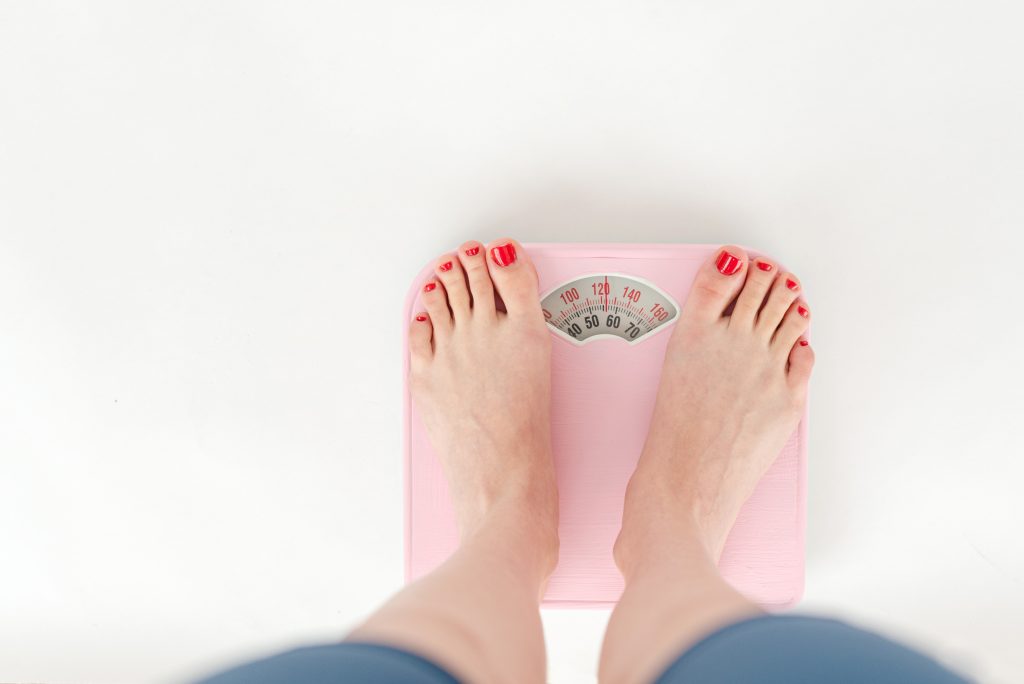
Photo by SHVETS production From Pexels
In order to successfully manifest weight loss, it is important to set goals. The CDC’s steps for losing weight recommend specific, realistic goals and a gradual pace of about 1 to 2 pounds a week.
For example, "walk 30 minutes after dinner 5 days a week" is easier to act on than "get in shape." Pick two or three goals at a time.
Additionally, track your progress, such as weight, waist size or workouts, so you can see what is working and adjust. People who lose weight gradually are more likely to keep it off.
Different Strategies for Weight Loss
Different strategies can be used to help facilitate successful weight loss. This can include meal planning, focusing on portion control, eating a variety of healthy foods, and reducing caloric intake.
Additionally, it can be beneficial to join a gym, hire a personal trainer, or seek support from a weight loss coach in order to remain accountable and motivated.
The Benefits of Professional Support
It is also important to recognize the benefits of seeking professional support. Professional support can provide guidance and accountability to help a person stay on track and achieve their weight loss goals.
Additionally, a professional can help to create a personalized diet and exercise plan that is tailored to the individual’s needs and health goals.
Personal Action Plan for Weight Loss

Photo by Julia Larson From Pexels
Once the necessary steps have been taken, it is possible to outline a personal action plan for weight loss. This action plan should include a timeline for achieving goals, a plan for diet and exercise, and strategies for staying motivated.
Additionally, it is important to create an accountability system and to track progress in order to ensure that you remain on track and motivated.
FAQs
How can I make my weight loss goals achievable?
To make your weight loss goals achievable, it is important to create realistic, attainable goals and to create a timeline for achieving those goals. Additionally, it is important to ensure that you track your progress and adjust accordingly if you experience any roadblocks.
What role does diet play in weight loss?
Diet plays an important role in weight loss. It is important to create a calorie deficit by consuming fewer calories than you expend. Additionally, it is important to create a balanced diet that is low in calories, yet still provides the body with the necessary nutrients to maintain energy and promote healthy cell function.
How can I stay motivated during my weight loss journey?
There are a few strategies that can help to increase motivation during a weight loss journey. This can include setting realistic and attainable goals, tracking progress, and seeking support from a professional or from a weight loss support group.
What are the benefits of professional support for weight loss?
Professional support can be beneficial for weight loss as it can provide guidance and accountability to help a person stay on track and achieve their weight loss goals. Additionally, a professional can help to create a personalized diet and exercise plan that is tailored to the individual’s needs and health goals.
What should I include in my personal action plan for weight loss?
When creating a personal action plan for weight loss, it is important to include a timeline for achieving goals, a plan for diet and exercise, and strategies for staying motivated. Additionally, it is important to create an accountability system and to track progress in order to ensure that you remain on track and motivated.
Sources
- Steps for Losing Weight, Centers for Disease Control and Prevention
- Adult Activity: An Overview, Centers for Disease Control and Prevention