
The Best Ways to Kick Start Your Weight Loss Journey

Contents
- Table of Contents
- How to Start a Weight Loss Journey
- How to Kickstart Weight Loss
- Best Ways to Kick Start Weight Loss
- How to Stay Motivated on Your Weight Loss Journey
- Conclusion:
- FAQs
- Is it safe to try to lose weight quickly?
- How long does it take to see results from kickstarting weight loss?
- Can I eat carbs and still lose weight?
- Do I need to exercise to lose weight?
- How can I stay motivated to stick with my weight loss goals?
- Sources
Weight loss is a common goal for many people, but it can be a challenging process. Losing weight requires commitment, dedication, and a willingness to make lifestyle changes. However, with the right strategies and mindset, anyone can achieve their weight loss goals.
In this article, we will discuss the best ways to kick start weight loss and provide you with tips and strategies to get you started on your weight loss journey. Whether you’re looking to shed a few pounds or make a significant change, these tips will help you jumpstart your weight loss journey and achieve your goals.
Table of Contents
- How to Start a Weight Loss Journey
- How to Kickstart Weight Loss
- Best Ways to Kick Start Weight Loss
- How to Stay Motivated on Your Weight Loss Journey
- Conclusion:
- FAQs
How to Start a Weight Loss Journey
Starting a weight loss journey can be overwhelming, but it doesn’t have to be. The key is to take it one step at a time and set realistic goals. Here are some steps to help you get started:
Identify Your Motivation:
Why do you want to lose weight? Is it for health reasons, to feel more confident, or to fit into a certain outfit? Identifying your motivation will help you stay committed to your goals.
Set Realistic Goals:
Setting realistic goals is essential for a successful weight loss journey. Instead of aiming for a specific number on the scale, focus on making small changes to your diet and lifestyle that will lead to gradual weight loss.
Create a Plan:
Creating a plan is an important step in starting a weight loss journey. Plan your meals, schedule your workouts, and make a commitment to yourself to stick to your plan.
Clean Up Your Diet:
A healthy diet is a key component of weight loss. Start by eliminating processed foods, sugary drinks, and unhealthy snacks from your diet. Focus on whole, nutritious foods like fruits, vegetables, lean proteins, and whole grains.
Get Moving:
Exercise is another important component of weight loss. Start by incorporating more physical activity into your daily routine. This could be as simple as taking a walk after dinner or trying a new workout class.
By taking these steps, you can start your weight loss journey on the right foot. Remember to be patient and stay committed to your goals, and you will see results over time.
How to Kickstart Weight Loss
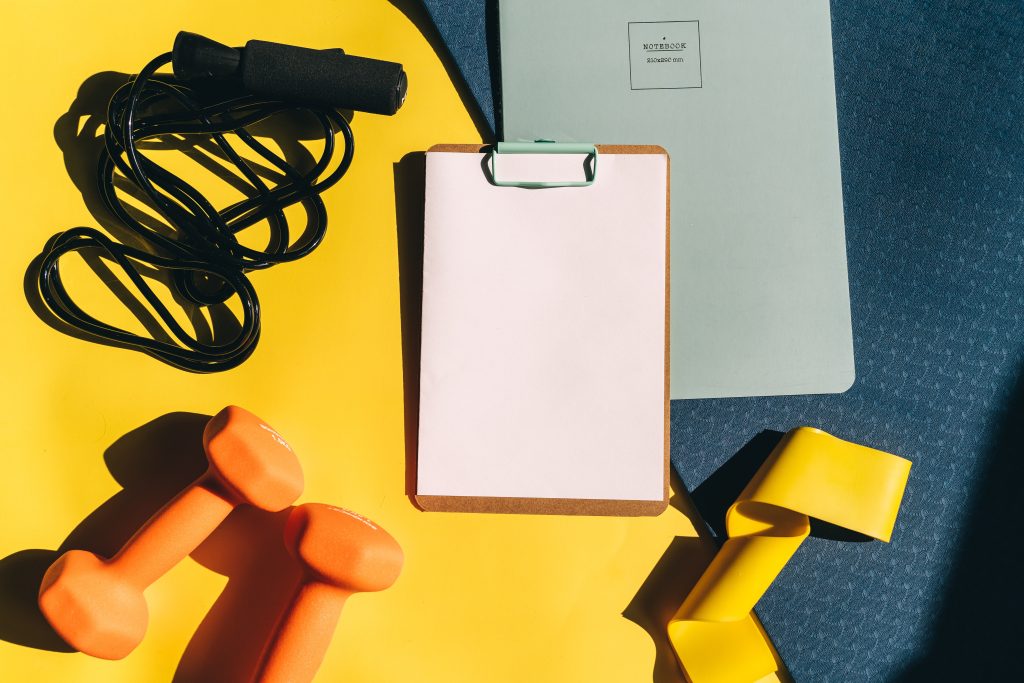
Photo by Alesia Kozik from Pexels
Once you’ve started your weight loss journey, it’s important to kickstart your weight loss to see results faster. Here are some effective strategies for kickstarting weight loss:
- Drink More Water: Swapping sugary drinks for water is one of the simplest ways to cut calories. Water itself has only a small effect on metabolism, but it keeps you hydrated and may help with fullness at meals.
- Increase Physical Activity: Physical activity supports weight loss and overall health. The CDC recommends that adults get at least 150 minutes of moderate activity a week, such as 30 minutes on 5 days. This could be anything from brisk walking to dancing to swimming.
- Reduce Intake of Processed Foods: Processed foods are often high in calories, sugar, and unhealthy fats. Reducing your intake of processed foods can help kickstart weight loss and improve your overall health.
- Eat More Fiber: Eating more fiber can help you feel fuller for longer and reduce your appetite. Focus on adding more fruits, vegetables, and whole grains to your diet.
- Get Enough Sleep: Poor sleep can make it harder to manage hunger and energy. The CDC advises most adults to get 7 or more hours of sleep per night.
By incorporating these strategies into your weight loss journey, you can kickstart your weight loss and build habits that last. Remember to stay consistent and committed to your goals, and you will achieve success.
Best Ways to Kick Start Weight Loss
In addition to the strategies outlined above, there are several other effective ways to kick start weight loss. Here are some tips and strategies to get you started:
1. Try Intermittent Fasting:
Intermittent fasting alternates periods of fasting and eating. It can help some people eat less, but Harvard's review of the research found it works about as well as ordinary calorie cutting, not better.
Skip it if you have diabetes, a history of eating disorders, take medicine that requires regular meals, or are pregnant or breastfeeding.
2. Cut Back on Sugar:
Added sugars add calories without keeping you full. Try cutting back on sugary drinks, desserts, and snacks to help kickstart weight loss.
3. Keep a Food Journal:
Keeping a food journal can help you track your calorie intake and identify areas where you can make improvements to your diet.
4. Incorporate Strength Training:
Strength training builds and preserves muscle while you lose weight, which helps your body composition. Aim for muscle-strengthening exercises like weight lifting or resistance bands on at least 2 days a week.
5. Find Support:
Having a support system can help keep you motivated and on track with your weight loss goals. Join a weight loss group or find a friend to exercise with.
By incorporating these tips and strategies into your weight loss journey, you can kickstart your weight loss and achieve your goals. Remember to stay consistent, be patient, and make healthy lifestyle changes that you can maintain long-term.
How to Stay Motivated on Your Weight Loss Journey
Staying motivated and committed to your weight loss goals can be challenging, but it’s essential for long-term success. Here are some tips to help you stay motivated and on track with your weight loss journey:
- Set Realistic Goals: Setting realistic goals is crucial for staying motivated. Make sure your goals are achievable and break them down into smaller, more manageable steps.
- Seek Support: Having a support system can help keep you motivated and accountable. Join a weight loss group or find a friend to exercise with.
- Track Progress: Tracking your progress can help you see how far you’ve come and motivate you to keep going. Keep a food journal, take progress photos, or use a fitness tracker to monitor your progress.
- Celebrate Small Wins: Celebrating small wins can help keep you motivated and boost your confidence. Treat yourself to a non-food reward, like a new workout outfit or a massage, when you reach a milestone.
- Stay Positive: Staying positive is essential for staying motivated. Focus on the progress you’ve made, rather than the setbacks, and don’t be too hard on yourself when you slip up.
- Visualize Success: Visualizing yourself reaching your weight loss goals can help keep you motivated and focused. Imagine how you will feel when you achieve your goals and use that as motivation to keep going.
By incorporating these tips into your weight loss journey, you can stay motivated and committed to your goals. Remember to be patient, stay consistent, and make healthy lifestyle changes that you can maintain long-term. With dedication and hard work, you can achieve your weight loss goals and improve your overall health and well-being.
Conclusion:
Weight loss is a journey that requires dedication, hard work, and patience. By implementing the strategies outlined in this article, including cleaning up your diet, incorporating physical activity into your daily routine, and staying motivated and committed to your goals, you can kickstart your weight loss and achieve your desired results.
Remember to set realistic goals, track your progress, celebrate small wins, and stay positive, and don’t be too hard on yourself if you slip up. With perseverance and a positive mindset, you can achieve your weight loss goals and improve your overall health and well-being.
FAQs
Is it safe to try to lose weight quickly?
It’s generally recommended to aim for a gradual, sustainable weight loss of 1-2 pounds per week. The CDC notes that people who lose weight at that pace are more likely to keep it off. Rapid weight loss can be unhealthy and lead to nutrient deficiencies, dehydration, and other health problems.
How long does it take to see results from kickstarting weight loss?
Everyone’s weight loss journey is different, but you can typically expect to see some initial results within the first few weeks. It’s important to be patient and consistent with your diet and exercise routine for long-term success.
Can I eat carbs and still lose weight?
Yes, you can still eat carbs and lose weight. It’s important to focus on healthy, whole-food sources of carbs, such as fruits, vegetables, and whole grains, and to watch your portion sizes.
Do I need to exercise to lose weight?
While exercise can be beneficial for weight loss, it’s not strictly necessary. You can still lose weight by making dietary changes alone, but incorporating physical activity can help speed up the process and improve overall health.
How can I stay motivated to stick with my weight loss goals?
Staying motivated can be challenging, but setting realistic goals, tracking progress, seeking support, and celebrating small wins can all help keep you motivated and on track with your weight loss journey. Remember to stay positive and be patient with yourself.
Sources
- Steps for Losing Weight, Centers for Disease Control and Prevention
- Adult Activity: An Overview, Centers for Disease Control and Prevention
- About Sleep, Centers for Disease Control and Prevention
- Diet Review: Intermittent Fasting for Weight Loss, Harvard T.H. Chan School of Public Health


