
How to Use MCT Oil for Weight Loss: Tips and Tricks

Contents
- Table of Contents
- What is MCT Oil?
- How Does MCT Oil Help with Weight Loss?
- Boosts Metabolism
- Reduces Appetite
- Provides Energy
- How to Use MCT Oil for Weight Loss on a Keto Diet
- Add to Coffee or Tea
- Use MCT Oil Powder
- Incorporate into Recipes
- Best Way to Use MCT Oil for Weight Loss
- Start Slowly
- Use as a Replacement for Other Fats
- Combine with Exercise and a Healthy Diet
- Avoid Overconsumption
- How to Take MCT Oil for Weight Loss
- Take it Straight
- Mix with Other Ingredients
- Use Before Exercise
- Consider MCT Oil Capsules
- Conclusion
- FAQs
- Is MCT oil safe to use for weight loss?
- Can MCT oil help me lose belly fat?
- How much MCT oil should I take for weight loss?
- Can I cook with MCT oil?
- Can I use MCT oil if I’m not on a keto diet?
- Sources
Are you wondering whether MCT oil can help you lose weight? Made from medium-chain triglycerides, MCT oil is digested differently from most fats, and it may modestly increase calorie burn and fullness.
In this article, we’ll explore how to use MCT oil for weight loss, including on a keto diet, the best ways to use it, and how much to take. The evidence shows a small benefit at best, so MCT oil works only as part of a calorie-controlled plan for weight loss.
Table of Contents
- What is MCT Oil?
- How Does MCT Oil Help with Weight Loss?
- How to Use MCT Oil for Weight Loss on a Keto Diet
- Best Way to Use MCT Oil for Weight Loss
- How to Take MCT Oil for Weight Loss
- Conclusion
- FAQs
What is MCT Oil?
MCT oil is a supplement made from medium-chain triglycerides, a type of fat that is metabolized differently than other types of fat.
Medium-chain triglycerides (MCTs) are saturated fats found naturally in coconut oil, palm kernel oil, and dairy products. Unlike long-chain triglycerides (LCTs), which make up most of the fat in the diet, MCTs are absorbed quickly and sent straight to the liver, where they are used for energy or turned into ketones.
MCT oil is usually made from coconut or palm kernel oil and is sold as a liquid or powder. It is popular with people following a ketogenic diet. Like any oil, it is calorie-dense.
How Does MCT Oil Help with Weight Loss?
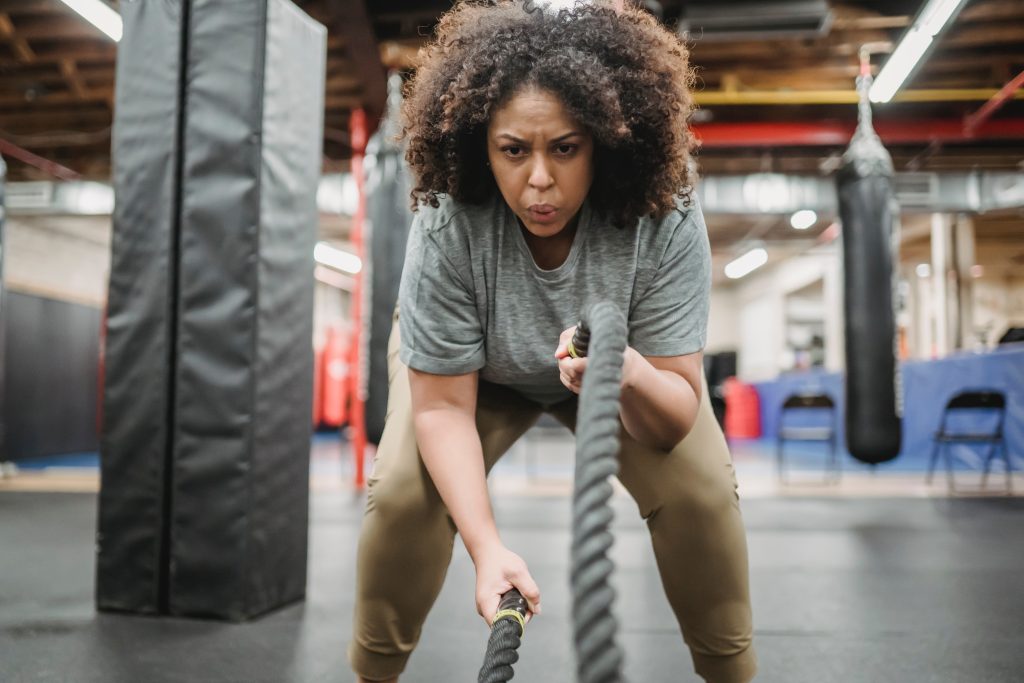
Photo by Julia Larson from Pexels
MCT oil may help with weight loss in a few different ways, though the effects are small:
Boosts Metabolism
Some short studies found that MCTs raise calorie burn slightly compared with long-chain fats. The difference is small and does not make up for extra calories eaten.
A meta-analysis of 13 randomized trials in the Journal of the Academy of Nutrition and Dietetics found that replacing long-chain fats with MCTs led to about 0.5 kg (roughly 1 pound) more weight loss.
The authors noted that many trials lacked quality details, commercial bias was detected, and larger independent studies are needed.
Reduces Appetite
Some studies suggest MCTs may increase feelings of fullness more than long-chain fats, which could help you eat a little less. Results have been mixed.
Provides Energy
MCT oil is quickly absorbed, and part of it is converted into ketones, which the body and brain can use for energy. On a ketogenic diet, MCT oil can help raise ketone levels.
Overall, MCT oil may be a small helper for weight loss when it replaces other fats. It should be used with a healthy diet and exercise for the best results.
How to Use MCT Oil for Weight Loss on a Keto Diet
MCT oil is popular on a keto diet because it can help raise ketone levels. Here are some ways to use it:
Add to Coffee or Tea
One popular way to use MCT oil on a keto diet is to add it to your morning coffee or tea. Start with 1 teaspoon and blend well. Larger amounts on an empty stomach often cause stomach upset.
Use MCT Oil Powder
MCT oil powder is another option that some people find more convenient than liquid MCT oil. It can be added to smoothies or other recipes. Check the label, since many powders contain added fillers and calories.
Incorporate into Recipes
You can also add MCT oil to smoothies, salad dressings, and sauces. Just be sure to start with a small amount and gradually increase to avoid digestive issues.
It’s important to note that MCT oil is high in calories, so it should be used in moderation, even for weight loss on a keto diet. Consult a healthcare professional before making major changes to your diet or supplement routine.
Best Way to Use MCT Oil for Weight Loss
To get the most from MCT oil for weight loss, use it carefully. Here are some tips:
Start Slowly
Start with a small amount, such as 1 teaspoon per day, and increase slowly if you tolerate it. A systematic review of MCT side effects found that diarrhea, stomach pain and nausea were the most commonly reported, and higher amounts were linked to more symptoms in some studies.
Use as a Replacement for Other Fats
The weight effects seen in trials came from swapping MCTs for other fats, not adding them on top. Use MCT oil in place of some of the oil or butter in dressings and no-cook recipes.
Keep in mind that MCT oil has nearly as many calories as other fats, so the swap alone does not cut many calories.
Combine with Exercise and a Healthy Diet
MCT oil is not a magic solution. To get results, combine it with regular exercise and a healthy diet built on whole foods, lean protein and healthy fats.
Avoid Overconsumption
MCT oil is calorie-dense, with over 100 calories per tablespoon. Using several tablespoons a day can easily cancel out any small benefit. Cut back if you notice diarrhea, cramping or nausea.
How to Take MCT Oil for Weight Loss
There are a few different ways to take MCT oil, depending on your preferences and goals. Here are some of the most popular methods:
Take it Straight
Some people take MCT oil straight from a spoon. If you choose this method, start with a small amount and gradually increase your intake over time to avoid digestive issues.
Mix with Other Ingredients
Others prefer to mix MCT oil into smoothies, coffee, tea, salad dressings or sauces. Mixing it with food may be easier on the stomach than taking it alone.
Use Before Exercise
Some people take MCT oil before workouts for quick energy. Evidence that this improves fat burning or performance is limited, and it may upset your stomach during exercise. Stay hydrated during your workout by drinking plenty of water.
Consider MCT Oil Capsules
If you dislike the taste or texture of MCT oil, capsules are an option. They provide smaller amounts per serving and can cost more per gram than liquid or powder.
Conclusion
MCT oil may give a small boost to weight loss when it replaces other fats, with trials showing about half a kilogram of extra loss on average. It can also help raise ketone levels on a keto diet.
Start slowly, use it in place of other fats, and pair it with regular exercise and a balanced diet. With patience and consistency, MCT oil can be a minor part of your weight loss journey, not the main driver.
FAQs
Is MCT oil safe to use for weight loss?
MCT oil is generally well tolerated in food amounts, but digestive side effects such as diarrhea, stomach pain and nausea are common, especially at higher doses. Start with a small amount and increase slowly.
Can MCT oil help me lose belly fat?
Trials comparing MCTs with long-chain fats found small reductions in waist size and body fat, but the effects were modest and many studies had industry funding. It works best as a swap for other fats within a calorie-controlled diet.
How much MCT oil should I take for weight loss?
There is no established dose. Many people start with 1 teaspoon a day and build up slowly to see how they tolerate it. Remember that each tablespoon adds over 100 calories.
Can I cook with MCT oil?
MCT oil has a low smoke point, so it is not suited to frying or other high-heat cooking. Use it in dressings, smoothies, coffee or foods that are already cooked.
Can I use MCT oil if I’m not on a keto diet?
Yes. The modest weight effects seen in trials came from replacing other fats with MCTs, not from being on a keto diet. It still adds calories, so use it in place of other fats, not on top of them.
Sources
- Effects of medium-chain triglycerides on weight loss and body composition: a meta-analysis of randomized controlled trials, Journal of the Academy of Nutrition and Dietetics (via PubMed)
- Gastrointestinal issues predominate among side effects of medium-chain triglyceride consumption in humans, Frontiers in Nutrition (via PubMed Central)


