
Does Metamucil Help with Weight Loss?
Contents
- Table of Contents
- What is Metamucil?
- Ingredients of Metamucil
- Mechanism of Action
- How Does Metamucil Help with Weight Loss?
- Increased Satiety
- Reduced Calorie Absorption
- Improved Bowel Movements
- The Science Behind Metamucil and Weight Loss
- Study #1
- Study #2
- Study #3
- Does Taking Metamucil Help with Weight Loss?
- Clinical Trials
- Research Studies
- Using Metamucil for Weight Loss: Tips and Guidelines
- 1. Start Slowly
- 2. Drink Plenty of Water
- 3. Use as Directed
- 4. Incorporate into a Healthy Diet
- 5. Combine with Exercise
- 6. Consult with a Healthcare Professional
- Is Metamucil Safe for Weight Loss?
- 1. Digestive Discomfort
- 2. Dehydration
- 3. Interference with Medications
- 4. Allergic Reactions
- 5. Blood Sugar Control
- Using Metamucil for Weight Loss: Success Stories
- Conclusion:
- FAQs
- What is the recommended dosage of Metamucil for weight loss?
- How long does it take to see results when using Metamucil for weight loss?
- Can Metamucil cause any side effects?
- Can I take Metamucil with other weight loss supplements?
- Is Metamucil safe for long-term use?
- Can Metamucil be used as a meal replacement?
- Sources
Are you struggling to lose weight and looking for a simple aid? Metamucil, a fiber supplement, is often promoted for weight loss. Is there any truth to this claim? In this article, we will explore the evidence behind using Metamucil for weight loss.
We will discuss how it works, what the research shows, safety considerations and tips for using it. In short: psyllium may help a little with fullness, but the evidence for weight loss is mixed.
Table of Contents
- What is Metamucil?
- How Does Metamucil Help with Weight Loss?
- The Science Behind Metamucil and Weight Loss
- Does Taking Metamucil Help with Weight Loss?
- Using Metamucil for Weight Loss: Tips and Guidelines
- Is Metamucil Safe for Weight Loss?
- Using Metamucil for Weight Loss: Success Stories
- Conclusion:
- FAQs
- What is the recommended dosage of Metamucil for weight loss?
- How long does it take to see results when using Metamucil for weight loss?
- Can Metamucil cause any side effects?
- Can I take Metamucil with other weight loss supplements?
- Is Metamucil safe for long-term use?
- Can Metamucil be used as a meal replacement?
What is Metamucil?
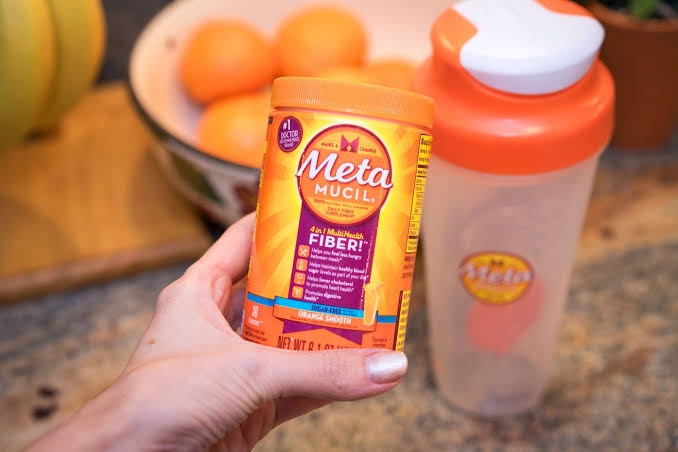
Metamucil is a popular fiber supplement that is mainly used to relieve constipation and support regularity. It contains psyllium husk, a type of soluble fiber that absorbs water and expands in the gut, forming a gel-like substance that helps to regulate bowel movements.
Ingredients of Metamucil
Metamucil’s main ingredient is psyllium husk, which comes from the seeds of the Plantago ovata plant. Depending on the version, it may also contain sugar or sweeteners such as aspartame, plus flavorings.
Mechanism of Action
Metamucil works by adding bulk to the stool and making it easier to pass. When psyllium husk absorbs water, it forms a gel-like substance that softens the stool and makes it easier to pass through the digestive tract. This can help to relieve constipation and regulate bowel movements.
Some people also hope Metamucil will aid weight loss. The gel that psyllium forms slows stomach emptying, which may help you feel full for longer. Whether that leads to meaningful weight loss is less clear.
How Does Metamucil Help with Weight Loss?

Photo by MART PRODUCTION from Pexels
Here are the ways Metamucil is claimed to help with weight loss, and what is actually known about each.
Increased Satiety
This is the most plausible way Metamucil could help. The gel psyllium forms slows stomach emptying, which may help you feel full and eat a bit less, especially if taken before meals.
Studies on how much this actually lowers calorie intake are small and mixed.
Reduced Calorie Absorption
Psyllium slows how quickly sugars and fats are absorbed, which can blunt blood sugar spikes after meals. It does not block a meaningful number of calories, so it can’t offset a high-calorie diet.
Improved Bowel Movements
Metamucil can relieve constipation and support regularity. Regular bowel movements may make you feel less bloated, but they do not remove extra calories or cause fat loss.
Metamucil is not a magic solution for weight loss. At most, it may help with fullness as part of a healthy weight loss journey built on a balanced diet and regular activity.
The Science Behind Metamucil and Weight Loss
Studies have looked at psyllium, the fiber in Metamucil, and weight loss. The results are mixed. Here are three key ones:
Study #1
A 2023 meta-analysis of six small trials found that psyllium taken before meals (about 11 grams a day for an average of 4.8 months) led to about 2.1 kg (4.6 pounds) more weight loss than control groups.
All three authors worked for Procter & Gamble, which makes Metamucil, and most trials were short.
Study #2
A larger 2025 meta-analysis of 27 randomized trials found no consistent benefit. Psyllium did not significantly change BMI or waist size, and the authors called its effect on body measurements inconclusive.
Study #3
A 12-month Australian trial gave overweight adults 5 grams of psyllium three times a day before meals. Weight was lower than placebo at 3 and 6 months, but the difference was no longer significant at 12 months.
Taken together, any effect appears small. Metamucil alone is not a weight loss solution.
Rather, it should be used as part of a balanced diet and exercise regimen to support healthy weight loss. Additionally, it’s important to speak with a healthcare professional before starting any new weight loss program or supplement.
Does Taking Metamucil Help with Weight Loss?
If you’re considering taking Metamucil for weight loss, here is what the clinical research adds up to.
Clinical Trials
Most trials are small and short. The best-case results show a few pounds of extra weight loss over several months when psyllium is taken before meals.
Longer and larger analyses have not confirmed a reliable effect.
Research Studies
Psyllium’s best-established use is relieving constipation, which is what Metamucil is mainly sold for.
For weight, eating more fiber from whole foods such as vegetables, beans and whole grains is a better-supported habit than relying on a supplement.
Using Metamucil for Weight Loss: Tips and Guidelines
If you decide to try Metamucil for weight loss, there are some important things to keep in mind. Here are some tips and guidelines for using Metamucil safely and effectively for weight loss:
1. Start Slowly
Sudden increases in fiber can cause gas and bloating. Start with a small amount, such as one dose a day, and increase gradually up to the label directions.
2. Drink Plenty of Water
Mix each dose in at least 8 ounces (240 milliliters) of liquid, as MedlinePlus advises. Taking it without enough liquid can cause it to swell and block your throat or esophagus, which can cause choking.
3. Use as Directed
Follow the instructions on the Metamucil package. Serving sizes differ between versions, and taking more than directed can cause digestive discomfort without extra benefit.
MedlinePlus advises not using psyllium as a laxative for more than 1 week unless your doctor tells you to. Ask your doctor before taking it daily for weight.
4. Incorporate into a Healthy Diet
Any help Metamucil gives with weight loss is small, so it’s not a magic solution. To achieve lasting weight loss, it’s important to incorporate Metamucil into a healthy and balanced diet that includes plenty of fruits, vegetables, lean protein, and whole grains.
5. Combine with Exercise
Exercise is an important part of any weight loss plan. Aim for at least 150 minutes of moderate-intensity activity a week, such as 30 minutes on most days.
6. Consult with a Healthcare Professional
Before starting any weight loss program, it’s important to speak with a healthcare professional to ensure that it’s safe and effective for you. This is especially important if you have any underlying medical conditions or are taking medications.
Is Metamucil Safe for Weight Loss?
While Metamucil is generally considered safe, there are some potential risks and side effects to be aware of. Here are some safety considerations for using Metamucil for weight loss:
1. Digestive Discomfort
One of the most common side effects of Metamucil is digestive discomfort, such as bloating, gas, and abdominal cramps. These symptoms usually subside as your body adjusts to the increased fiber intake, but starting with a low dose and gradually increasing can help minimize discomfort.
2. Dehydration
Metamucil absorbs water, so drink plenty of fluids throughout the day. Without enough fluid, it can worsen constipation or, in rare cases, cause a blockage or choking.
3. Interference with Medications
Psyllium can affect how some medicines are absorbed. MedlinePlus advises not taking digoxin, aspirin or other salicylates, or nitrofurantoin within 3 hours of a dose.
Ask your pharmacist how to time your other medicines.
4. Allergic Reactions
Some people are allergic to psyllium, and breathing in the powder while mixing it can trigger a reaction. Symptoms may include itching, hives and difficulty breathing. If you have any of these, stop taking Metamucil and seek medical help right away.
5. Blood Sugar Control
While fiber can help regulate blood sugar levels, Metamucil should not be relied upon as the sole method of blood sugar control. If you have diabetes or are taking medications to regulate your blood sugar, it’s important to work with your healthcare provider to develop a comprehensive plan for blood sugar management.
Using Metamucil for Weight Loss: Success Stories
Online success stories about Metamucil can’t be verified, and they often credit the supplement for results that came from diet and activity changes.
A realistic expectation is modest: some people find that a dose before meals helps them feel fuller, and many notice improved digestive regularity. Large weight losses should not be expected from Metamucil alone.
Conclusion:
Metamucil has, at best, a small role in weight loss. The fiber in it may help you feel full, which can make a calorie-controlled diet a little easier to follow.
The evidence for Metamucil and weight loss is mixed, and some positive studies were funded by its maker. Weight loss requires a comprehensive approach that includes healthy eating habits, regular exercise, and lifestyle changes.
If you want to try it, start with a small dose, mix each dose in at least 8 ounces of liquid, and use it as part of a complete weight loss plan.
As always, it’s important to consult with your healthcare provider before starting any new weight loss program.
FAQs
What is the recommended dosage of Metamucil for weight loss?
There is no approved dosage of Metamucil for weight loss. Follow the directions on your product’s label, since the serving size differs between versions, and mix each dose in at least 8 ounces of liquid.
Start low and increase slowly, and ask your doctor before using it daily for weight.
How long does it take to see results when using Metamucil for weight loss?
The evidence is mixed. A small, industry-funded analysis found about 2 kg (4 to 5 pounds) of extra weight loss over several months when psyllium was taken before meals, but a larger 2025 review found no consistent benefit.
Don’t expect large or fast results.
Can Metamucil cause any side effects?
Some people get bloating, gas or cramps, which often ease by starting with a small dose and increasing slowly. Taking it without enough liquid can cause choking.
Seek medical help for trouble breathing or swallowing, rash, itching, stomach pain or vomiting.
Can I take Metamucil with other weight loss supplements?
Talk to your healthcare provider first. Psyllium can affect how some medicines are absorbed, and MedlinePlus advises not taking digoxin, aspirin or other salicylates, or nitrofurantoin within 3 hours of a dose.
Is Metamucil safe for long-term use?
Fiber is part of a healthy diet, but MedlinePlus advises not using psyllium as a laxative for more than 1 week unless your doctor tells you to. Ask your doctor before taking it every day.
Any weight loss plan should rest on healthy eating habits and regular exercise.
Can Metamucil be used as a meal replacement?
No, Metamucil is not intended to be used as a meal replacement. It’s important to consume a balanced diet that includes a variety of nutrient-dense foods to support overall health and weight loss.
Sources
- Psyllium, MedlinePlus
- Psyllium is a natural nonfermented gel-forming fiber that is effective for weight loss: A comprehensive review and meta-analysis, Journal of the American Association of Nurse Practitioners (PMC)
- The effect of psyllium consumption on anthropometric indices: a systematic review and dose-response meta-analysis of randomized controlled trials, Journal of Health, Population and Nutrition (PMC)
- Effect on body weight and composition in overweight/obese Australian adults over 12 months consumption of two different types of fibre supplementation in a randomized trial, Nutrition & Metabolism (PMC)


