Cold Pressed Juice for Weight Loss: What It Can and Can't Do
Contents
- Table of Contents
- Understanding Cold Pressed Juice and Weight Loss
- Top Cold Pressed Juices for Weight Loss
- How to Incorporate Cold Pressed Juice into Your Diet for Weight Loss
- Can Cold Pressed Juice Replace Meals for Weight Loss?
- Tips for Success with Cold Pressed Juice and Weight Loss
- Conclusion
- FAQs
- What is cold pressed juice?
- How can cold pressed juice aid in weight loss?
- What are the best cold pressed juices for weight loss?
- Can cold pressed juice replace meals for weight loss?
- How often should I drink cold pressed juice for weight loss?
- Can cold pressed juice be made at home?
- Sources
Cold pressed juice has become a popular health trend in recent years, especially among those looking for ways to improve their overall well-being.
This type of juice is made using a hydraulic press that extracts juice from fruits and vegetables with little heat, which may help preserve some heat-sensitive vitamins. Many people drink it hoping it will help with weight loss.
In this article, we will look at what cold pressed juice can and can't do for weight loss and how to fit it into your weight loss diet.
The short answer: juice can add nutrients, but it is not a weight-loss tool on its own.
Table of Contents
- Understanding Cold Pressed Juice and Weight Loss
- Top Cold Pressed Juices for Weight Loss
- How to Incorporate Cold Pressed Juice into Your Diet for Weight Loss
- Can Cold Pressed Juice Replace Meals for Weight Loss?
- Tips for Success with Cold Pressed Juice and Weight Loss
- Conclusion
- FAQs
Understanding Cold Pressed Juice and Weight Loss
Cold pressed juice is made using a hydraulic press that extracts juice from fruits and vegetables with little heat, which may help preserve the nutrients that are sensitive to heat.
Juice keeps many of the vitamins, minerals and plant compounds in produce. Vegetable-based juices can deliver them for relatively few calories.
The catch is fiber. Cleveland Clinic explains that juicing removes the fiber, so the sugar is absorbed faster and juice is less filling than whole fruits and vegetables. Fruit-heavy juices can also be high in calories.
Juice does not boost your metabolism. In fact, very low-calorie juice cleanses can slow it down, which works against weight loss.
Overall, low-sugar cold pressed juice can be a nutritious drink, but it helps with weight loss only if it replaces higher-calorie foods or drinks. In the next section, we'll look at popular ingredients.
Top Cold Pressed Juices for Weight Loss

Photo by Anete Lusina from Pexels
No juice ingredient melts fat, but some make better choices than others. Here are popular cold pressed juices and what they can realistically do as you reach your weight loss goals:
- Green Juice: Green juice is made with leafy greens, such as kale, spinach and chard, often with cucumber and celery. It is usually lower in sugar than fruit juice and supplies vitamins and minerals, but most of the greens' fiber is left behind. Claims that chlorophyll aids weight loss are not proven. Spinach and chard are high in oxalate, so people prone to kidney stones should limit large amounts.
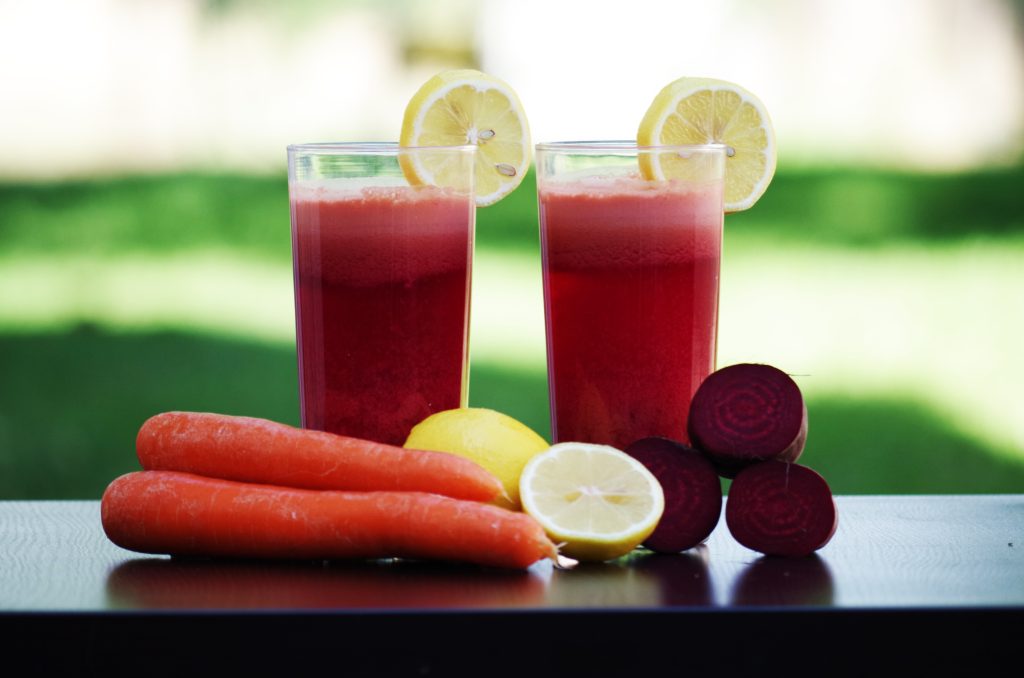
- Beet Juice: Beet juice is rich in nitrates, which may modestly improve exercise performance. It has not been shown to cause weight loss, and like the greens above, beets are high in oxalate.
- Citrus Juice: Citrus fruits, such as grapefruit and lemon, add flavor and vitamin C. Lemon adds very few calories, while orange and grapefruit juice add natural sugar. Grapefruit can interact with some medicines, so check with your pharmacist.
- Ginger Juice: Ginger adds a spicy kick that can make low-sugar vegetable juice more enjoyable. Evidence that ginger causes weight loss is weak, so treat it as flavor rather than a fat burner.
- Pineapple Juice: Pineapple adds sweetness, but pineapple juice is high in natural sugar and has little of the fruit's fiber. Use a small amount to flavor vegetable blends rather than as the base.
Overall, vegetable-forward juices with little fruit are the best fit for a weight-loss diet. In the next section, we'll explore tips for incorporating cold pressed juice into your weight loss diet.
How to Incorporate Cold Pressed Juice into Your Diet for Weight Loss
While cold pressed juice can be a helpful tool in any weight loss journey, it’s important to consume it in the right way to maximize its benefits. Here are some tips for incorporating cold pressed juice into your diet for weight loss:
- Consume in moderation: Even 100% juice contains natural sugar, so keep portions small. The American Heart Association recommends limiting added sugars to no more than 6 teaspoons per day for women and 9 teaspoons per day for men. Check the sugar content of any cold pressed juices you buy and aim for about one small serving a day at most.
- Combine with healthy meals: Cold pressed juice can add nutrients, but it should not be used as a meal replacement. To ensure that you are consuming a balanced and healthy diet, be sure to combine cold pressed juice with whole foods, such as fruits, vegetables, whole grains, and lean proteins.
- Choose low-sugar options: Pick juices that are mostly vegetables, with no added sugar. Fruit-heavy blends can have as much sugar as soda.
- Check how it's made: FDA warns that untreated juice can carry harmful bacteria. Packaged juice that hasn't been pasteurized must carry a warning label, and children, older adults, pregnant women and people with weakened immune systems should choose pasteurized or high-pressure-processed juice.
Used carefully, cold pressed juice can be a simple way to add nutrients to a weight loss diet.
Keep portions small, pair it with healthy meals, choose low-sugar options and pick safely processed juice.
Can Cold Pressed Juice Replace Meals for Weight Loss?
While cold pressed juice can be a healthy addition to any weight loss diet, it should not be used as a meal replacement.
Some juice cleanses or detox programs recommend replacing meals with juice. NCCIH reports that these diets can cause initial weight loss from low calorie intake, but the weight tends to return once normal eating resumes.
Here are some pros and cons of using cold pressed juice as a meal replacement:
Pros:
- Vegetable-based juice can be nutrient-dense and relatively low in calories.
- It can be a convenient and portable option for busy individuals who don’t have time to prepare meals.
- Cold pressed juice can provide vitamins and minerals that may be lacking in a typical diet.
Cons:
- Cold pressed juice lacks the fiber and protein found in whole foods, which can leave you feeling hungry and unsatisfied.
- It can be high in sugar, which can lead to spikes in blood sugar levels and cravings for more sugar.
- Replacing meals with cold pressed juice can lead to nutrient deficiencies and too few calories, which can slow metabolism.
- Juices made from high-oxalate produce, such as spinach and beets, may pose a risk for people prone to kidney stones.
Instead of using cold pressed juice as a meal replacement, it’s better to incorporate it as a snack or supplement to a healthy, balanced meal plan.
Tips for Success with Cold Pressed Juice and Weight Loss
Here are some tips for achieving success with cold pressed juice and weight loss:
- Combine cold pressed juice with a healthy diet: While cold pressed juice can be a healthy addition to your diet, it’s important to remember that it should not be the only source of nutrition. Be sure to eat a balanced diet that includes a variety of whole foods, such as fruits, vegetables, lean protein, and whole grains, to ensure you are getting all the nutrients your body needs.
- Incorporate exercise into your routine: Regular exercise matters far more than any drink. Aim for at least 150 minutes of moderate-intensity exercise a week, such as brisk walking or cycling, plus strength training twice a week.
- Start small: If you are new to cold pressed juice, start with a small serving size and gradually work your way up. Drinking too much cold pressed juice at once can lead to stomach upset or digestive issues.
- Listen to your body: Pay attention to how your body reacts to cold pressed juice. If you experience any discomfort or negative side effects, such as bloating or nausea, reduce your intake or try a different blend.
- Make your own cold pressed juice: Making your own juice at home can be cheaper than buying it. Wash produce well, refrigerate the juice and drink it soon, since homemade juice isn't pasteurized.
- Stay hydrated: Drinking plenty of water is important for weight loss and overall health. Be sure to also hydrate with water throughout the day, in addition to cold pressed juice.
- Be consistent: Consistency with healthy eating and activity is key to long-term weight loss success. Juice can be one small part of that routine, not the plan itself.
Conclusion
Cold pressed juice is popular in the health and wellness world. It can add nutrients to your diet, but it does not boost metabolism, and it lacks the fiber and protein that help you feel full.
In this article, we covered its nutritional value, popular ingredients, how to fit it into a healthy diet, and why it shouldn't replace meals.
If you enjoy it, choose low-sugar, safely processed juice in small portions. Talk to a healthcare professional before starting any weight loss plan, especially a juice cleanse.
Lasting weight loss still comes from a balanced diet, regular activity and habits you can keep.
FAQs
What is cold pressed juice?
Cold pressed juice is made by crushing and pressing fruits and vegetables with a hydraulic press instead of a fast-spinning blade. The process uses little heat, which may help preserve some heat-sensitive vitamins. Unless it is pasteurized or otherwise treated, it can carry harmful bacteria.
How can cold pressed juice aid in weight loss?
Cold pressed juice does not cause weight loss on its own and does not boost metabolism. Low-sugar vegetable juices can add nutrients for relatively few calories, but most of the fiber is removed, so juice is less filling than whole produce.
What are the best cold pressed juices for weight loss?
Vegetable-based juices, such as green juice made with cucumber, celery and leafy greens, are usually lower in sugar and calories than fruit-heavy juices. Whole fruits and vegetables are still better for weight loss because they keep their fiber.
Can cold pressed juice replace meals for weight loss?
No. Juice lacks the protein and most of the fiber found in whole foods, and juice cleanses often supply too few calories. Weight lost on a juice cleanse usually comes back once normal eating resumes.
How often should I drink cold pressed juice for weight loss?
There is no set amount. If you drink it, keep portions small, about one cup a day or less, choose low-sugar vegetable blends, and count it toward your calories. People with kidney problems or diabetes should check with their doctor first.
Can cold pressed juice be made at home?
Yes, cold pressed juice can be made at home with a juicer or a hydraulic press. Wash produce well, keep the juice refrigerated and drink it soon, since homemade juice is not pasteurized.
Sources
- What You Need To Know About Juicing for Weight Loss, Cleveland Clinic
- "Detoxes" and "Cleanses": What You Need To Know, National Center for Complementary and Integrative Health (NIH)
- What You Need to Know About Juice Safety, U.S. Food and Drug Administration