
When Does HIV Weight Loss Begin?
Contents
- Understanding HIV and Weight Loss
- Inflammation
- Malabsorption
- Muscle Wasting
- When Does HIV Weight Loss Begin?
- Acute HIV Infection
- Asymptomatic HIV Infection
- Symptomatic HIV Infection
- AIDS
- Contributing Factors to HIV Weight Loss
- Medication Side Effects
- Opportunistic Infections
- Substance Abuse
- Mental Health
- Diagnosis and Management of HIV Weight Loss
- Diagnosis
- Treatment
- Nutritional Support
- Exercise
- Medication Management
- Psychological Support
- Conclusion
- FAQs
- What is HIV?
- How does HIV cause weight loss?
- When do people with HIV typically start losing weight?
- Is weight loss always a sign of HIV?
- Can weight loss be treated in people with HIV?
- How can I prevent weight loss if I have HIV?
- What other symptoms may accompany weight loss in people with HIV?
- Can weight loss be reversed in people with HIV?
- What should I do if I suspect that I may have HIV or am experiencing weight loss?
- Sources
HIV is a viral infection that affects millions of people worldwide. While significant strides have been made in the treatment and management of HIV, weight loss remains a common symptom for those living with the virus. Weight loss can occur at any stage of HIV infection, but it is more common in later stages and can be a sign of disease progression.
In this article, we will explore when HIV-related weight loss begins, the stages of HIV infection, and other contributing factors. We will also discuss how to manage HIV-related weight loss and the importance of seeking medical advice if you are experiencing weight loss.
Understanding HIV and Weight Loss
HIV is a complex virus that affects various bodily systems, including the immune system, digestive system, and metabolism. The virus can cause weight loss through several mechanisms, including:
Inflammation
HIV causes chronic inflammation throughout the body, which can interfere with nutrient absorption and metabolism. Inflammation can also lead to a loss of appetite, making it challenging to consume enough calories to maintain a healthy weight.
Malabsorption
The virus can damage the intestinal lining, leading to malabsorption of nutrients such as proteins, fats, and vitamins. Malabsorption can result in weight loss and other nutritional deficiencies.
Muscle Wasting
Advanced HIV can lead to muscle wasting, also called cachexia, which is a loss of muscle mass and strength. It can happen even when calorie intake seems adequate and is a major part of HIV-related weight loss.
Understanding the mechanisms through which HIV can cause weight loss is crucial to developing effective treatment strategies. By addressing the underlying causes of weight loss, healthcare providers can help people with HIV maintain a healthy weight and improve their quality of life.
When Does HIV Weight Loss Begin?
Weight loss is a common symptom of HIV infection, and it can occur at any stage of the disease. However, it is more common in later stages when the immune system is severely compromised. The following are the stages of HIV infection and how weight loss may be affected:
Acute HIV Infection
During the acute stage of HIV infection, within 2 to 4 weeks of infection, the virus rapidly replicates. About two-thirds of people get flu-like symptoms such as fever, fatigue, and muscle aches, and some have no symptoms. Weight loss is not a typical symptom at this stage.
Asymptomatic HIV Infection
After the acute stage comes chronic HIV infection. The virus is not dormant; it keeps multiplying at lower levels. But a person with chronic HIV infection may not feel sick or have any symptoms, including weight loss, and this stage can last for years.
Symptomatic HIV Infection
Without treatment, the virus keeps damaging the immune system. Over several years, people may begin to experience symptoms such as fever, night sweats, and weight loss as chronic infection advances.
AIDS
If left untreated, HIV can progress to acquired immunodeficiency syndrome (AIDS), which is characterized by severely compromised immunity. Weight loss is a common symptom of AIDS and can occur due to opportunistic infections, poor appetite, and wasting syndrome.
HIV wasting syndrome is defined as involuntary loss of more than 10% of body weight, with fever and chronic diarrhea or fatigue for more than 30 days, when no cause other than HIV explains it.
Understanding the stages of HIV infection and the timeline of weight loss can help people with HIV monitor their symptoms and seek medical care if necessary. Early intervention and treatment can improve outcomes and help manage weight loss.
Contributing Factors to HIV Weight Loss
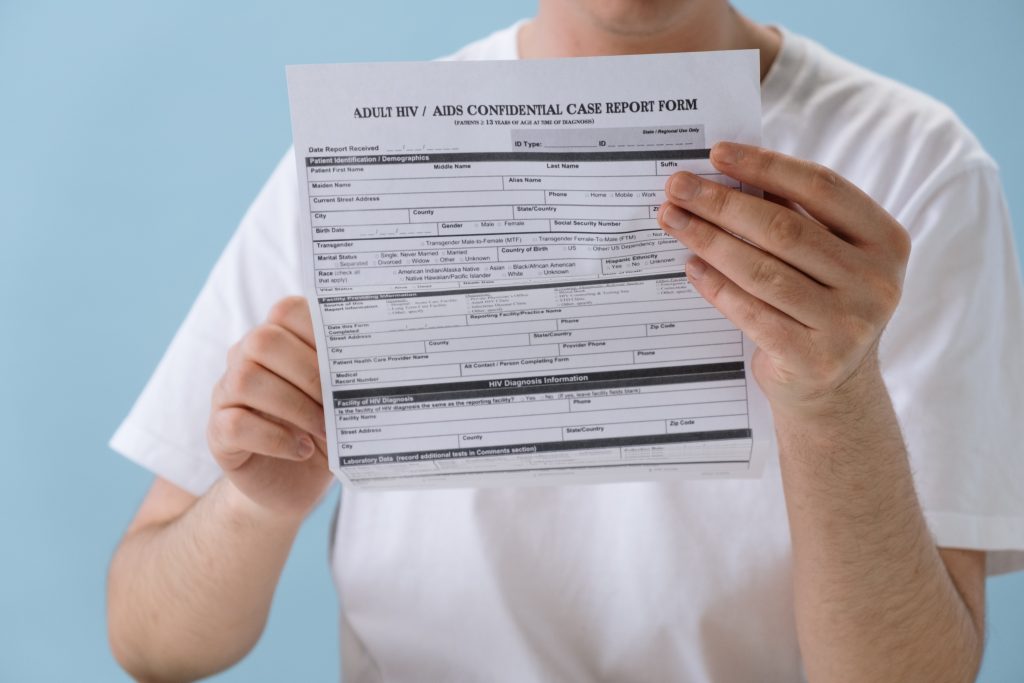
Photo by cottonbro studio from Pexels
While HIV infection is a primary cause of weight loss in people with HIV, several other factors can contribute to the condition. These include:
Medication Side Effects
Antiretroviral therapy (ART) is the primary treatment for HIV. Some medicines can cause side effects such as nausea, diarrhea, or loss of appetite, especially when starting treatment. Tell your provider; never stop or change HIV medicines on your own.
Opportunistic Infections
Opportunistic infections, such as tuberculosis and pneumonia, are more common in people with HIV and can cause weight loss as a symptom. Treating these infections can help manage weight loss and improve overall health.
Substance Abuse
Drug and alcohol use can contribute to weight loss in anyone, including people with HIV, by causing poor nutrition and appetite changes. Treatment and support are available.
Mental Health
Mental health conditions such as depression and anxiety are more prevalent in people with HIV and can lead to loss of appetite and weight loss. Managing mental health through therapy and medication can help address these issues and manage weight loss.
Understanding the contributing factors to weight loss in people with HIV is critical to developing effective treatment plans. By addressing these factors, healthcare providers can help people with HIV maintain a healthy weight and improve their quality of life.
Diagnosis and Management of HIV Weight Loss
If you suspect that you may have HIV or are experiencing unexplained weight loss, it is essential to see a healthcare provider for testing and diagnosis. Early diagnosis and treatment can improve outcomes and help manage symptoms such as weight loss.
Diagnosis
HIV is diagnosed with blood or oral fluid tests. The CDC describes three main types of HIV tests: antibody tests, antigen/antibody tests, and nucleic acid tests (NATs). A positive antibody test needs a follow-up test to confirm it.
The CDC recommends that everyone between ages 13 and 64 get tested for HIV at least once, and more often if at higher risk.
Treatment
The primary treatment for HIV is antiretroviral therapy (ART), a combination of medicines that target the virus at different stages of its life cycle. ART can lower the virus to undetectable levels, protect the immune system, and help prevent the weight loss seen in advanced HIV.
Nutritional Support
Nutritional support is an essential component of managing weight loss in people with HIV. This may involve working with a registered dietitian to develop a meal plan that addresses specific nutritional needs and goals. Nutritional supplements, such as protein shakes or vitamin supplements, may also be recommended.
Exercise
Regular exercise can help maintain muscle mass and prevent muscle wasting in people with HIV. Exercise programs should be tailored to individual needs and abilities and may include resistance training and aerobic exercise.
Medication Management
If weight loss is due to medication side effects, the healthcare provider may adjust the medication or switch to an alternative medication. If weight loss is due to an opportunistic infection, appropriate treatment can help manage symptoms and improve weight.
Psychological Support
Living with HIV can be challenging, and weight loss can add an additional burden. Psychological support, such as counseling or support groups, can help people with HIV manage stress, anxiety, and depression, which can contribute to weight loss.
Managing weight loss in people with HIV requires a comprehensive approach that addresses the underlying causes of the condition. With appropriate diagnosis, treatment, and support, people with HIV can maintain a healthy weight and improve their overall health and well-being.
Conclusion
Effective management of HIV-related weight loss requires a multidisciplinary approach that addresses the underlying causes of the condition. Antiretroviral therapy, nutritional support, exercise, medication management, and psychological support can all play a role in managing weight loss in people with HIV.
It is essential to seek medical care promptly if you suspect that you may have HIV or are experiencing unexplained weight loss. Early diagnosis and treatment can improve outcomes and help manage symptoms such as weight loss.
Finally, it is important to remember that living with HIV does not have to mean a life of constant weight loss and poor health. With appropriate care, people with HIV can maintain a healthy weight and improve their overall health and quality of life.
FAQs
What is HIV?
HIV (human immunodeficiency virus) is a virus that attacks the immune system, making it difficult for the body to fight off infections and diseases.
How does HIV cause weight loss?
HIV can cause weight loss in several ways, including loss of appetite, nutrient malabsorption, and muscle wasting due to inflammation and infection.
When do people with HIV typically start losing weight?
Weight loss can occur at any stage of HIV infection, but significant weight loss is most common in advanced, untreated HIV. Early on, many people have no symptoms or only flu-like symptoms.
Is weight loss always a sign of HIV?
No, weight loss can have many causes, and not all weight loss is related to HIV. However, unexplained weight loss may be a symptom of HIV infection and should be evaluated by a healthcare provider.
Can weight loss be treated in people with HIV?
Yes. Antiretroviral therapy (ART) is the foundation, along with treating any infections, nutritional support, exercise to rebuild muscle, and support for mental health.
How can I prevent weight loss if I have HIV?
Maintaining a healthy diet, regular exercise, and adherence to antiretroviral therapy can help prevent weight loss in people with HIV.
What other symptoms may accompany weight loss in people with HIV?
Other symptoms of HIV infection may include fever, fatigue, night sweats, swollen glands, and persistent diarrhea.
Can weight loss be reversed in people with HIV?
With appropriate diagnosis, treatment, and support, weight loss in people with HIV can be managed and, in some cases, reversed.
What should I do if I suspect that I may have HIV or am experiencing weight loss?
It is essential to speak with a healthcare provider promptly if you suspect that you may have HIV or are experiencing unexplained weight loss. Early diagnosis and treatment can improve outcomes and help manage symptoms such as weight loss.
Sources
- Symptoms of HIV, HIV.gov
- Getting Tested for HIV, CDC
- HIV Wasting Syndrome (MeSH descriptor), National Library of Medicine


