How to Use DMSO Cream: Tips and Precautions
Contents
- Table of Contents
- What is DMSO cream?
- Ingredients in DMSO cream
- Types of DMSO cream available
- Using DMSO Cream for Pain
- How DMSO cream helps relieve pain
- Applying DMSO cream for pain relief
- Precautions when using DMSO cream for pain
- Using DMSO Cream for Weight Loss
- How DMSO cream can aid in weight loss
- Applying DMSO cream for weight loss
- Precautions when using DMSO cream for weight loss
- Using DMSO Cream for Genital Herpes
- How DMSO cream can help treat genital herpes
- Applying DMSO cream for genital herpes
- Combining DMSO with CBD Cream
- How DMSO and CBD cream work together
- Benefits of using DMSO with CBD cream
- Tips for Using DMSO Cream
- Dosage recommendations for DMSO cream
- Applying DMSO cream properly
- Storing DMSO cream
- Conclusion
- FAQs
- What is DMSO cream?
- What are the benefits of using DMSO cream?
- How do I use DMSO cream?
- Can I combine DMSO cream with other creams or medications?
- Are there any precautions I should take when using DMSO cream?
- Sources
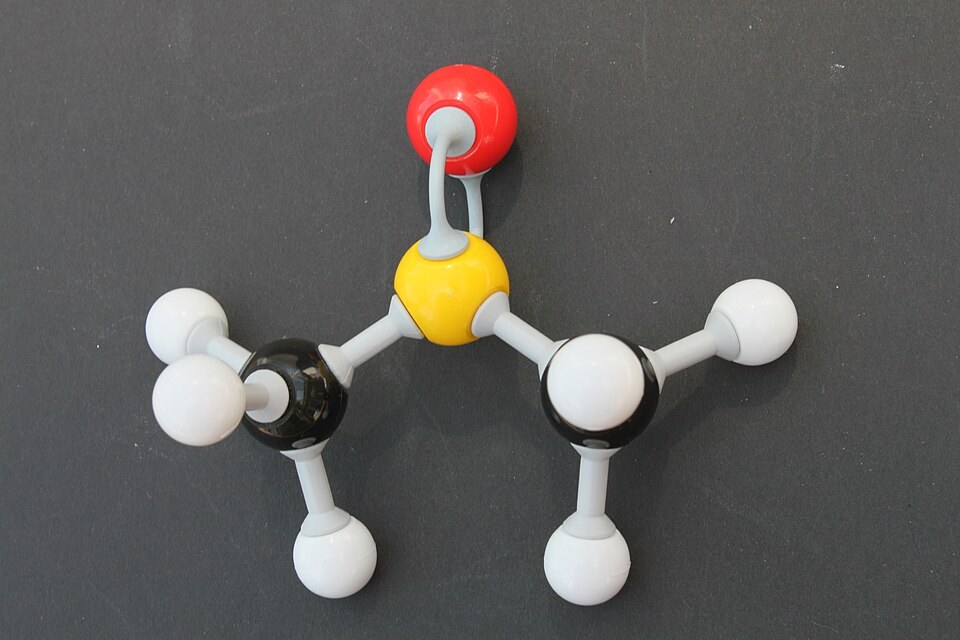
Photo by Bin im Garten, CC BY-SA 3.0, via Wikimedia Commons
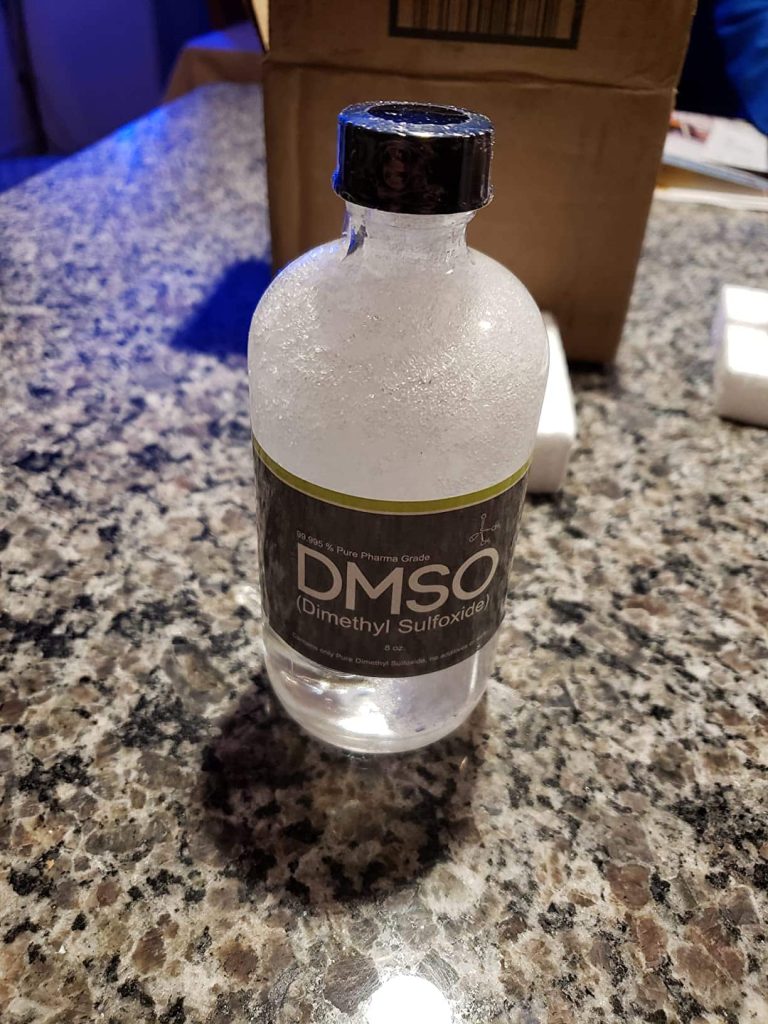
DMSO cream is a topical product that contains dimethyl sulfoxide, a solvent made mainly as a byproduct of the wood pulp industry. DMSO was first made in the 1860s and has been studied in medicine since the 1960s.
DMSO is best known for passing through skin very easily. Some people use DMSO creams for aches and pains, but no DMSO cream is FDA-approved, and claims that it treats skin disease, herpes or excess weight are not established.
In this article, we will explore the claimed uses of DMSO cream, including pain, weight loss, and genital herpes, and what the evidence shows for each. We will also cover combining it with CBD cream, side effects, and precautions for using DMSO cream as safely as possible.
Table of Contents
- What is DMSO cream?
- Using DMSO Cream for Pain
- Using DMSO Cream for Weight Loss
- Using DMSO Cream for Genital Herpes
- Combining DMSO with CBD Cream
- Tips for Using DMSO Cream
- Conclusion
- FAQs
What is DMSO cream?
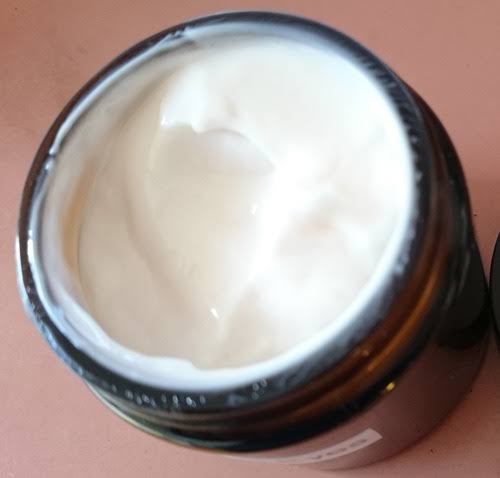
DMSO cream is a cream or gel that contains DMSO, usually blended with water and other ingredients. It is applied to the skin, and DMSO is quickly absorbed into the body.
In the United States, the only FDA-approved human use of DMSO is a prescription solution placed directly into the bladder for interstitial cystitis. The Rimso-50 prescribing label states it has not been approved as safe and effective for any other use.
Ingredients in DMSO cream
Depending on the brand, DMSO creams may also contain aloe vera, arnica, vitamin E or essential oils. Because DMSO helps other substances cross the skin, every added ingredient matters.
Types of DMSO cream available
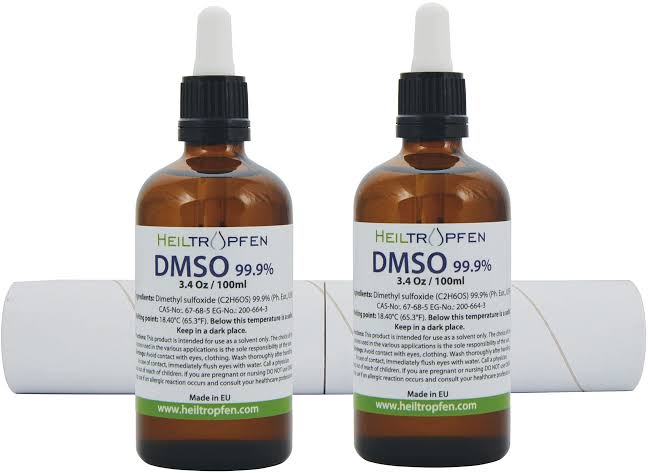
DMSO creams are sold online in different strengths, often labeled with a percentage of DMSO. These products are not FDA-approved drugs, so their strength and purity are not checked the way prescription drugs are.
Products made for industrial or veterinary use should never be used on people. Their purity is not guaranteed.
Using DMSO Cream for Pain
DMSO has been studied for pain and inflammation from conditions such as sprains and arthritis, with mixed results. Here is what you need to know about using DMSO cream for pain relief.
How DMSO cream helps relieve pain
Researchers think DMSO may reduce inflammation and affect pain signaling in nerves. However, good-quality trials of over-the-counter DMSO creams are limited, and DMSO is not FDA-approved for pain.
Applying DMSO cream for pain relief
If you and your doctor decide to try it, apply a thin layer to clean, dry, unbroken skin and rub it in gently. Use the smallest amount that helps and follow the product label.
DMSO cream should not be used on broken skin or near the eyes, mouth, or genitals. If you experience skin irritation or burning, stop using it. Get medical help for swelling, a widespread rash or trouble breathing.
Precautions when using DMSO cream for pain
If you are pregnant or breastfeeding, avoid DMSO cream, because its safety has not been established. If you take any medications, talk to your healthcare provider first, as DMSO may increase how much of other drugs is absorbed.
The prescription DMSO label lists a garlic-like taste and breath or skin odor that can last up to 72 hours. It also warns that DMSO can trigger allergic-type reactions.
Using DMSO Cream for Weight Loss
There is no reliable evidence that DMSO cream breaks down fat cells, boosts metabolism or causes weight loss. Here is what you need to know about DMSO cream for weight loss.
How DMSO cream can aid in weight loss
It can’t, based on current evidence. No clinical trials show that rubbing DMSO on the skin dissolves fat or reduces body weight.
Applying DMSO cream for weight loss
We don’t recommend it. Rubbing a cream on the stomach or thighs does not target fat loss there. Mixing DMSO with other "slimming" creams or essential oils increases the amount of those ingredients your body absorbs.
Precautions when using DMSO cream for weight loss
Weight loss comes from eating fewer calories than you burn, regular activity and, for some people, medical treatment. Pregnant or breastfeeding women and anyone with liver or kidney disease should talk to a doctor before using any DMSO product.
Using DMSO Cream for Genital Herpes
Genital herpes is a sexually transmitted infection caused by the herpes simplex virus (HSV). Some websites promote DMSO cream as a natural remedy for outbreaks.
How DMSO cream can help treat genital herpes
There is no reliable evidence that DMSO cream treats genital herpes or prevents outbreaks. According to the CDC’s genital herpes overview, there is no cure, but antiviral medicines can prevent or shorten outbreaks.
Daily antiviral therapy can also lower the risk of passing the virus to others.
Applying DMSO cream for genital herpes
Do not apply DMSO to the genitals. It can irritate sensitive skin and mucous membranes. If you have genital sores, see a healthcare provider for testing and antiviral treatment.
Combining DMSO with CBD Cream
Some sellers combine DMSO with CBD cream, claiming DMSO helps the CBD work better.
How DMSO and CBD cream work together
DMSO can increase how much of another ingredient passes through the skin. That does not prove the combination relieves pain better, and it may increase side effects from any ingredient in the mix.
Benefits of using DMSO with CBD cream
The claimed benefits of combining them include:
- Greater absorption of CBD through the skin
- Possibly stronger effects of the CBD product
These benefits have not been confirmed in good-quality clinical trials. Because both products vary in strength and purity, talk with your doctor before combining them.
Tips for Using DMSO Cream
If you choose to use DMSO cream, these tips can help lower the risks.
Dosage recommendations for DMSO cream
There is no established dose for over-the-counter DMSO cream. Follow the product label, use the least amount possible, and do not use it more often than directed.
Applying DMSO cream properly
Wash your hands and the skin area first, so DMSO does not carry dirt, lotions or chemicals into your body. Apply a thin layer to unbroken skin and let it dry before it touches clothing or other surfaces.
Avoid open wounds, broken skin, and areas where you have applied other products.
Storing DMSO cream
Store DMSO cream as the label directs, tightly closed, in its original container. Keep it out of reach of children and pets to avoid accidental ingestion or contact.
If you are taking any medications or have any underlying health conditions, consult a healthcare professional before using DMSO cream.
Conclusion
DMSO cream contains a solvent that passes easily through skin. It may have some effect on pain and inflammation, but evidence for over-the-counter creams is limited, and no DMSO cream is FDA-approved.
There is no reliable evidence that DMSO cream causes weight loss or treats genital herpes. If you want to try it for pain, talk with your doctor first, use a product meant for human use, and stop if you have any reaction.
FAQs
What is DMSO cream?
DMSO cream is a topical product containing dimethyl sulfoxide, a solvent made mainly as a byproduct of wood pulp processing. It passes through skin easily.
No DMSO cream is FDA-approved; the only approved human use of DMSO is a bladder treatment for interstitial cystitis.
What are the benefits of using DMSO cream?
DMSO has been studied for pain and inflammation, but evidence for over-the-counter creams is limited. There is no reliable evidence that DMSO cream causes weight loss or treats genital herpes.
How do I use DMSO cream?
If you and your doctor decide to try it, apply a thin layer to clean, dry, unbroken skin, away from the eyes, mouth and genitals.
Wash your hands first, avoid other products on the same area, and stop if irritation develops.
Can I combine DMSO cream with other creams or medications?
Only with your doctor's approval. DMSO can carry other substances through the skin, including medicines and contaminants, which may increase their effects or side effects.
Are there any precautions I should take when using DMSO cream?
Yes. Talk to a healthcare professional first, avoid it during pregnancy or breastfeeding, never use industrial or veterinary DMSO on your skin, and stop if you get a rash, burning, swelling or trouble breathing.
Sources
- RIMSO-50 (dimethyl sulfoxide) irrigant label, DailyMed (U.S. National Library of Medicine)
- About Genital Herpes, Centers for Disease Control and Prevention