
Does Zinc Help With Weight Loss?
Contents
- What is Zinc?
- Benefits of Zinc for Weight Loss
- What Foods Contain Zinc?
- Recommended Zinc Intake for Weight Loss
- Potential Side Effects of Excessive Zinc Intake
- How to Take Zinc for Weight Loss
- The Role of Exercise and Diet in Weight Loss
- Summary
- Conclusion
- FAQs
- Does zinc help with weight loss?
- What foods contain zinc?
- What is the recommended daily intake of zinc for weight loss?
- Sources
Zinc is an essential mineral found in many foods. It supports immunity, wound healing, and many enzymes in the body.
Zinc is not a solution for weight loss, and the research does not show that zinc supplements cause meaningful weight loss. Read on to see what the studies actually found.
What is Zinc?
Zinc is an essential mineral, which means you have to get it from food or supplements. Your body uses it for immune function, growth, wound healing, and taste and smell.
Zinc is also part of some of the body's antioxidant enzymes, which help protect cells from damage.
Benefits of Zinc for Weight Loss
The evidence here is weak. A 2026 meta-analysis of 41 randomized trials found that zinc supplements had no effect on BMI or fat mass. Body weight actually rose slightly, by about 0.7 kg, while waist size dropped about 1 cm.
The authors called these changes small and not clinically significant. Zinc is not a fat burner or appetite suppressant, and claims that it boosts fat burning are not supported for weight loss.
One small trial in 40 adults with obesity found more weight loss with 30 mg of zinc a day plus a calorie-reduced diet than with diet alone. That single study does not outweigh the larger body of evidence, and it does not make zinc useful for weight loss on its own.
If you are deficient in zinc, fixing the deficiency supports overall health. If you are not, extra zinc is unlikely to change your weight.
What Foods Contain Zinc?
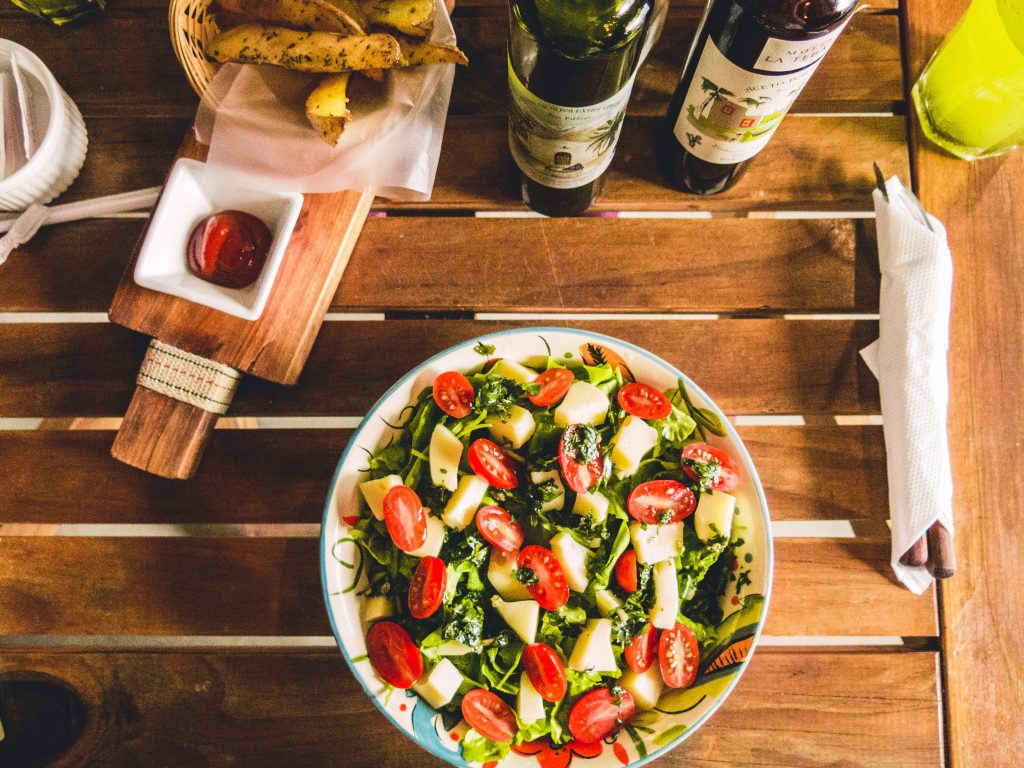
Photo by Florencia Potter from Pexels
Oysters are the richest source of zinc. Beef, pork, lamb, and dark-meat chicken are also good sources.
Nuts, whole grains, and legumes such as lentils provide zinc too. Fruits and vegetables like spinach are poor sources, and the body absorbs less zinc from plant foods.
Recommended Zinc Intake for Weight Loss
There is no special zinc dose for weight loss. According to MedlinePlus, the recommended daily zinc intake is 11 mg for adult men and 8 mg for adult women.
Needs rise to 11 mg a day in pregnancy and 12 mg a day while breastfeeding. Most people can meet these amounts through food.
Potential Side Effects of Excessive Zinc Intake
Large doses of zinc supplements can cause nausea, vomiting, stomach cramps, and diarrhea, usually within hours of taking them.
Taking too much zinc over a long period can lead to copper, iron, or magnesium deficiency. Zinc nasal sprays and gels have also been linked to loss of smell.
How to Take Zinc for Weight Loss
Zinc is not recommended as a weight-loss treatment. If you think you may be low in zinc, talk to your doctor before you take a supplement.
Your doctor can check whether you need one and how much is safe. Getting zinc from food first is the safest approach, and it pairs well with any plan for weight loss.
The Role of Exercise and Diet in Weight Loss

Photo by MART PRODUCTION from Pexels
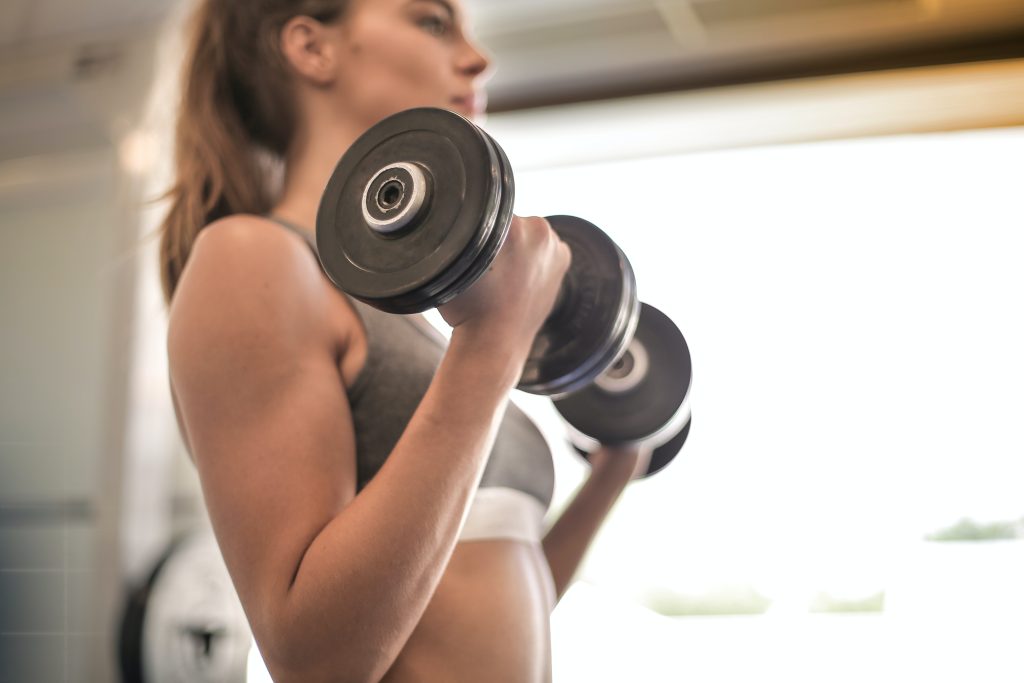
Diet and exercise are the main drivers of weight loss, not minerals or supplements.
Eating a balanced diet with fewer calories than you burn and staying active are what lead to lasting results.
Summary
Zinc is an essential mineral, but it is not a proven aid for weight loss. Large reviews show no meaningful effect on body fat or BMI.
Speak to your doctor before taking a zinc supplement for weight loss or any other reason, and aim to get zinc from food. A healthy, balanced diet and regular exercise are what help you reach and keep a healthy weight.
Conclusion
Zinc will not do much for weight loss on its own. It matters for overall health, so make sure your diet includes good sources of it.
If you want to lose weight, focus on a modest calorie deficit, whole foods, and regular activity, and talk to your doctor before starting any supplement.
FAQs
Does zinc help with weight loss?
Not in a meaningful way for most people. A large review of 41 trials found zinc supplements did not lower BMI or fat mass. Getting enough zinc supports overall health, but diet and exercise drive weight loss.
What foods contain zinc?
Oysters, beef, pork, lamb, and dark-meat chicken are rich sources. Nuts, whole grains, and legumes such as lentils also provide zinc, though the body absorbs less zinc from plant foods.
What is the recommended daily intake of zinc for weight loss?
There is no special zinc dose for weight loss. The daily recommendation is 11 mg for adult men and 8 mg for adult women (11 mg in pregnancy, 12 mg when breastfeeding). Large supplement doses can cause side effects, so don't take more than your doctor advises.
Sources
- Zinc in diet, MedlinePlus
- Effects of Zinc Supplementation on Anthropometric Indices and Adipokines in Adults: A Systematic Review and Meta-Analysis, Biological Trace Element Research (PubMed)
- Zinc supplementation improves body weight management, inflammatory biomarkers and insulin resistance in individuals with obesity, Diabetology & Metabolic Syndrome (PMC)


