Does Sea Moss Help With Weight Loss
Contents
- What Is Sea Moss
- Nutritional Qualities Of Sea Moss
- Potential Health Benefits
- Effects On Metabolism And Appetite
- Recommended Dosage For Weight Loss
- Side Effects And Risks Of Taking Sea Moss For Weight Loss
- Alternatives To Sea Moss For Weight Loss
- Frequently Asked Questions
- How Quickly Can I Expect To See Results From Taking Sea Moss?
- Are There Any Drug Interactions I Should Be Aware Of When Taking Sea Moss?
- Is Sea Moss Suitable For Vegans And Vegetarians?
- Are There Any Other Uses For Sea Moss Besides Weight Loss?
- Is Sea Moss Safe For Long-Term Use?
- Conclusion
- Sources
People often ask whether sea moss helps with weight loss. The short answer: there are no human studies showing that sea moss causes weight loss.
Sea moss is a low-calorie food with some minerals and fiber. Its biggest safety issue is iodine, which can vary a lot from batch to batch.
This article covers what sea moss is, what it contains, and how to think about it if your goal is a healthy weight.
What Is Sea Moss
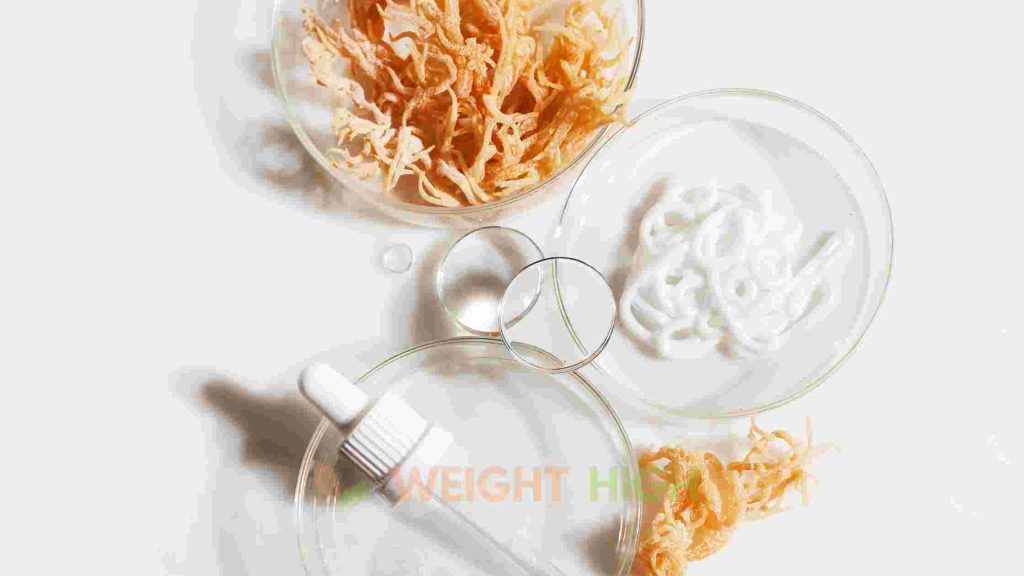
Sea moss, also called Irish moss (Chondrus crispus), is a type of red algae that grows on rocky Atlantic coasts of Europe and North America. It is sold dried, as a gel, or in capsules and gummies.
It is not a "superfood like no other." Like other seaweeds, it contains minerals such as iodine, calcium, magnesium, and potassium, but the amounts depend on where and when it was harvested.
Sea moss is also the traditional source of carrageenan, a thickener used in many foods. That gel-like quality is why sea moss is popular in smoothies.
Nutritional Qualities Of Sea Moss
Sea moss provides small amounts of minerals and some fiber, mostly in a soluble, gel-forming form. A typical serving of a few tablespoons of gel adds very few calories.
Claims that it supplies most of the nutrients your body needs are overstated. It is one food among many, not a replacement for a varied diet.
Its iodine content matters most. A review in the European Thyroid Journal notes that the iodine content of seaweeds is highly variable, depending on species, season, and location.
Potential Health Benefits
Sea moss is often promoted for digestive health, joint health, thyroid health, and energy. These claims come mostly from tradition and lab studies, not from trials in people.
Fiber can support regular bowel movements, and iodine is needed to make thyroid hormone. But more iodine is not better, and sea moss will not speed up a healthy thyroid.
If you have low thyroid function, the fix is medical care, not seaweed. Using sea moss to "boost" your thyroid can backfire and is no shortcut in your weight loss journey.
Any weight benefit from sea moss would come from its fiber helping you feel full, the same effect you can get from vegetables, beans, and whole grains.
Effects On Metabolism And Appetite
There is no good evidence that sea moss raises your metabolic rate or improves insulin sensitivity. Claims that it makes you "burn more calories" are not supported by human research.
Sea moss is also not a meaningful source of vitamin B12 for most people, and B12 does not burn extra calories in people who are not deficient.
Soluble fiber can slow digestion slightly and help some people feel full. That is a modest effect, and it only helps if your overall diet stays in a calorie deficit.
Recommended Dosage For Weight Loss
There is no established dose of sea moss for weight loss, because no studies show that it works for that purpose. Any number you see online is a marketing figure, not a medical recommendation.
If you choose to eat it, treat it as an occasional food. The European Thyroid Journal review says seaweed is unlikely to be harmful if eaten occasionally, about once or twice a week.
For those who want to try it, here are some practical points:
- Check Labels: Look for products that state iodine content and are tested by a third party for heavy metals. Many do not.
- Consult Experts: Talk with your doctor first if you have thyroid disease, take thyroid medicine, or are pregnant or breastfeeding.
- Start Low & Slow: Use small amounts, avoid daily high doses, and stop if you notice digestive upset or thyroid symptoms.
Sea moss can be part of a balanced diet, but it is not a weight-loss supplement.
Side Effects And Risks Of Taking Sea Moss For Weight Loss
The main concerns with sea moss are iodine, heavy metals, and digestive upset.
| Sea Moss Side Effects | Weight Loss Side Effects |
|---|---|
| Digestive discomfort | Fatigue |
| Nausea | Dehydration |
| Bloating | Nutrient deficiencies |
MedlinePlus notes that very high iodine intake can reduce thyroid function. Excess iodine from seaweed can also trigger an overactive thyroid in some people, especially those with existing thyroid disease.
Seaweeds can absorb heavy metals such as arsenic, cadmium, and lead from the water they grow in. Because supplements are not tested by the FDA before sale, choose brands that publish independent test results.
Weight loss itself can bring fatigue, dehydration, and nutrient gaps if your diet is too restrictive. For safe weight loss, focus on nutrient-dense meals and adequate fluids rather than supplements.
Talk to your doctor before adding sea moss if you take thyroid medicine, have a thyroid condition, or are pregnant or breastfeeding.
Alternatives To Sea Moss For Weight Loss
Sea moss is not a proven appetite suppressant. The same is true of most supplements sold for weight loss.
Products like green tea extract and turmeric capsules are often suggested as alternatives. According to NCCIH, none of the studied weight-loss supplements, including green tea extracts, have been shown to be effective, and each has side effects.
What works is less exciting: a modest calorie deficit, mostly whole foods, enough protein and fiber, regular physical activity, and good sleep.
Try building meals around lean proteins such as chicken or fish, plenty of vegetables and fruit, and whole grains. Add regular walking or another activity you enjoy.
For some people with obesity, prescription medicines under a doctor's care are an option. Supplements are not a substitute.
Frequently Asked Questions
How Quickly Can I Expect To See Results From Taking Sea Moss?
You should not expect weight-loss results from sea moss alone. No human trials show that sea moss causes weight loss, so there is no timeline to promise.
Some research on carrageenan and other seaweed compounds has looked at blood fats and gut effects, but those findings do not show meaningful weight loss in people.
If you eat sea moss as part of a healthy diet, any weight change will come from your overall eating and activity habits. Talk to your doctor before using it if you are pregnant or breastfeeding, a group the iodine review flags for extra caution with seaweed.
Here are points worth noting about weight loss and sea moss:
- No studies show sea moss causes weight loss in people
- Taking larger doses to "see results" raises your iodine and heavy-metal exposure
- Possible side effects include upset stomach and thyroid problems, so talk to a medical professional first
Are There Any Drug Interactions I Should Be Aware Of When Taking Sea Moss?
Yes, mainly because of iodine. Sea moss can affect people taking thyroid medicines, including levothyroxine and anti-thyroid drugs. MedlinePlus warns that high-dose iodine combined with anti-thyroid medicine could cause hypothyroidism.
Bring the product label to your doctor or pharmacist and ask whether it fits with your medicines.
A balanced diet and regular exercise matter far more for weight than any seaweed product.
Is Sea Moss Suitable For Vegans And Vegetarians?
Yes. Sea moss is an alga, so plain dried sea moss and sea moss gel are plant-based foods.
Carrageenan, which comes from red seaweed, is also vegan. Check capsule and gummy products, though, because some use gelatin or other animal-derived ingredients.
Because sea moss is plant-based, it can fit a vegan diet plan. Just keep portions moderate because of the iodine content.
Are There Any Other Uses For Sea Moss Besides Weight Loss?
Sea moss is used as a food thickener, a smoothie ingredient, and in some skin-care products. Carrageenan from red seaweed is widely used in foods like plant milks and desserts.
Claims that eating sea moss improves hair growth, skin, immunity, mood, or mental clarity are not supported by human studies. Treat them as marketing, not proven benefits.
If you enjoy sea moss as a food, there is no harm in small, occasional amounts for most healthy adults. Just don't rely on it to treat any health condition.
Is Sea Moss Safe For Long-Term Use?
Long-term safety of daily sea moss use has not been studied well. The main concerns are too much iodine and heavy-metal buildup.
Too much iodine can cause thyroid problems, including an underactive or overactive thyroid and goiter. Pregnant women, people with thyroid disease, and infants are most at risk.
If you want to use sea moss regularly, choose a tested product, keep servings small, and ask your doctor or a registered dietitian whether it is right for you.
Conclusion
Sea moss does not have evidence behind it as a weight-loss aid. It is a low-calorie seaweed with some minerals and fiber, and that is about all it can offer.
It may still fit a healthy diet in small amounts, but it is not a weight loss tool. Its variable iodine content is a real risk if you take it daily or in large amounts.
Rather than buying sea moss supplements for weight loss, put your effort into steady habits: a modest calorie deficit, whole foods, regular activity, and sleep. Slow and steady really does win the race.
Sources
- Iodine, Seaweed, and the Thyroid, European Thyroid Journal (PMC)
- Iodine in diet, MedlinePlus
- Weight Control, National Center for Complementary and Integrative Health